J
Jaywalker
Carbondale, Colorado
Aftercare / Continuing CareDetoxDual-Diagnosis / Co-OccurringInpatient

271 treatment centers across Colorado offering Dual Diagnosis Treatment Centers.
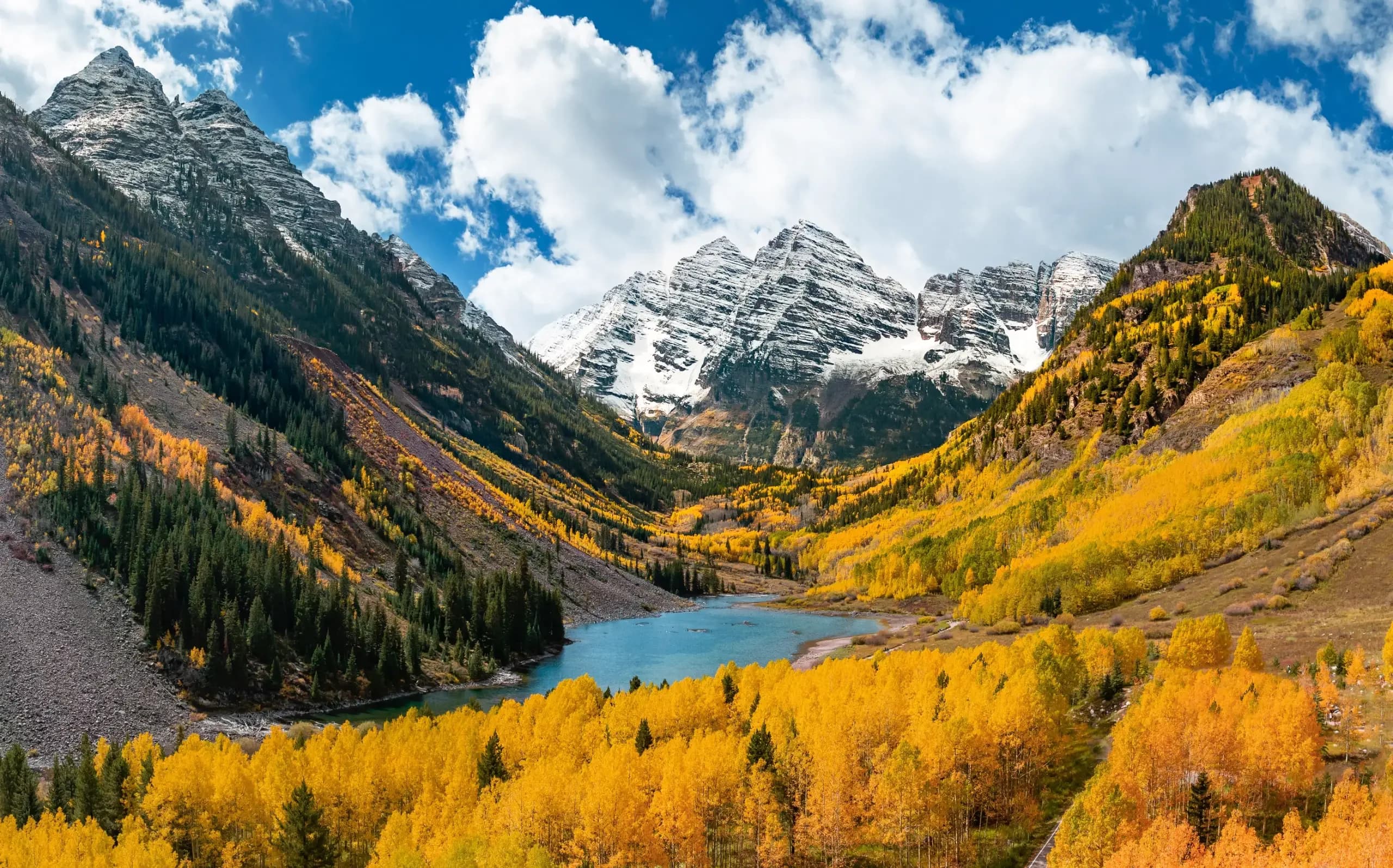
Mindfulness-based therapy shows up in Colorado's co-occurring programs about three times as often as it does across the directory nationally — 27 of the 269 centers reporting therapies here offer it. Outdoor recreation is another outlier: 10 of the 145 Colorado facilities that report amenities include it, roughly four times the national rate, which says something about how treatment gets designed in a state where the mountains are part of daily life.
Dual-Diagnosis / Co-Occurring treatment Colorado listings cover 271 centers, and all 271 report offering this care. It is not a separate setting so much as a way of running one: psychiatric assessment, medication management and substance use treatment handled by one clinical team instead of two that never speak. It suits someone whose depression, anxiety, PTSD or bipolar disorder is tangled up with drinking or drug use — and it is not the right starting point for anyone in active medical withdrawal or acute psychiatric crisis, who needs stabilization first.
38 of the 239 Colorado centers reporting substances treated address heroin — 16 percent, against 6 percent across the directory, more than twice as common here. Opioid treatment appears at 160 centers overall, and 202 treat alcohol.
Carelon Behavioral Health appears in 18 of the 254 Colorado listings reporting insurance, close to twice the national rate in this directory. Medicaid leads at 241 centers, with TRICARE at 142, Medicare at 141 and Blue Cross Blue Shield at 42.
Spanish-language services are recorded at 101 Colorado centers and ASL at 81. Eight centers specifically report serving Indigenous and Native American clients — around three percent, roughly two and a half times the directory-wide figure.
264 centers serve adults aged 26 to 64, 260 serve young adults 18 to 25, 239 serve seniors 65 and older, and 177 accept adolescents aged 13 to 17. Nine Colorado programs report treating borderline personality disorder specifically.
Colorado licenses behavioral health facilities through the state's Behavioral Health Administration, and 193 of the centers here record state licensing; 92 are SAMHSA-listed, 43 hold Joint Commission accreditation and 40 are CARF accredited. Health First Colorado — the state's Medicaid program — is administered through regional accountable entities, which is part of why access can look different in the San Luis Valley than it does along the northern Front Range. Coverage always depends on your individual plan, so confirm it with your insurer and with the facility.
Distance shapes this decision more in Colorado than in most states. Residents of the Eastern Plains, the Western Slope and the mountain counties often drive to a metro area for residential or PHP-level dual diagnosis care, then step down to something closer to home — which is why the 247 centers offering telehealth and the 260 offering outpatient rehab matter so much here. Others go the other direction, choosing a program near family rather than the nearest one.
It means one program treats both the substance use and the mental health condition together, rather than sending you between two separate providers. Of the 271 Colorado centers listed here, 269 report treating co-occurring disorders, 237 report PTSD and trauma work, and 244 describe their approach as trauma-informed.
It is not a level of care on its own — it is an approach layered onto detox, residential, PHP, IOP or standard outpatient. It is not right for someone in acute medical withdrawal or an active psychiatric emergency, who needs stabilization first, and it may be more than someone needs if there is no mental health condition alongside the substance use.
Most plans sold or regulated in Colorado are subject to state and federal parity rules, meaning behavioral health benefits cannot be more restrictive than medical ones. That is not a guarantee for your specific plan — call the number on your insurance card and confirm the exact program with the facility's admissions staff before you commit.
Health First Colorado, the state Medicaid program, is the most widely reported payer in these listings — 240 of the 271 centers accept Medicaid, and 241 record it under insurance accepted. Coverage runs through regional accountable entities, so which programs are available to you can depend on the region of the state you live in.
There is no fixed length. Because the approach attaches to whatever level of care you are in, the timeline follows that setting — days in detox, weeks in residential or PHP, and often months of outpatient and aftercare, which 206 of these Colorado centers say they provide.
The cost depends entirely on your plan, the level of care and the facility's own rates, so no honest figure can be quoted here. What the listings do show is breadth of payment routes: 198 of the 271 report state-funded or free options and 241 report self-pay, alongside private insurance at 205.
Start by narrowing on the things that are hard to change later — licensing, whether the program treats your specific mental health condition, the languages spoken, and whether the age group fits. Then call two or three directly and ask how psychiatric care and substance use care are coordinated day to day.
Typically a phone screening, an insurance or Medicaid check by the facility, then a clinical and psychiatric assessment that determines the starting level of care. Ask on that first call how long the wait is, because it varies widely between Front Range programs and rural ones.
If you are in immediate danger or thinking about harming yourself, call or text 988, or dial 911. Otherwise, note two or three Colorado programs from these listings, call your insurer using the number on your card to ask what your plan covers, then call each facility's admissions line directly and ask about current wait times and how they coordinate psychiatric and substance use care.
38 of the 239 that report it in Colorado — 16%, against 6.3% across the directory.
9 of the 271 that report it in Colorado — 3.3%, against 1.4% across the directory.
18 of the 254 that report it in Colorado — 7.1%, against 3.6% across the directory.
27 of the 269 that report it in Colorado — 10%, against 3.3% across the directory.
8 of the 271 that report it in Colorado — 3.0%, against 1.2% across the directory.
Carbondale, Colorado
Monument, Colorado
Lafayette, Colorado
Edwards, Colorado
Aurora, Colorado
Denver, Colorado
Parker, Colorado
Morrison, Colorado
Walsenburg, Colorado
Trinidad, Colorado
Carbondale, Colorado
Broomfield, Colorado
Denver, Colorado
Denver, Colorado
Englewood, Colorado
Antonito, Colorado
Broomfield, Colorado
Alamosa, Colorado
Cheyenne Wells, Colorado
Denver, Colorado
Denver, Colorado
Denver, Colorado
Akron, Colorado
Denver, Colorado
and 21 more
Reported by 254 of the 271 listed here.
and 1 more
Reported by 269 of the 271 listed here.
and 10 more
Reported by 269 of the 271 listed here.
and 4 more
Reported by 269 of the 271 listed here.
and 14 more
Reported by 271 of the 271 listed here.
and 6 more
Based on the 239 that report it; others have not said.
and 10 more
Reported by 271 of the 271 listed here.