S
Still Mind Florida
Fort Lauderdale, Florida
DetoxDual-Diagnosis / Co-OccurringInpatientMedication-Assisted Treatment (MAT)

269 treatment centers across Florida offering Inpatient Rehabs.
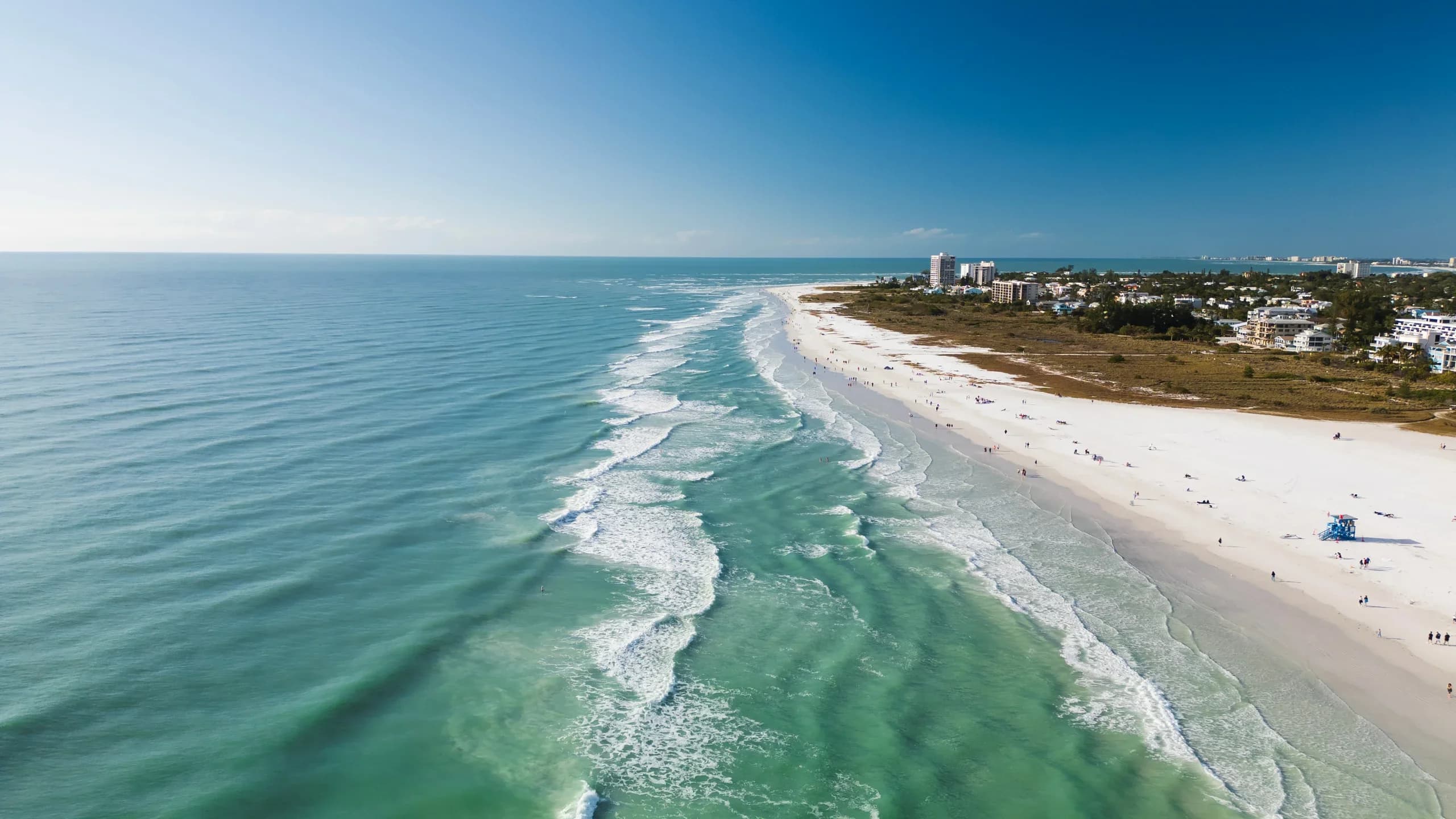
Round-the-clock residential care is the defining feature of every program gathered here — 269 Florida facilities that report offering inpatient, a level of care found at roughly 23% of listings nationally. A few smaller patterns also run stronger in Florida than in the directory as a whole: 21 of these programs report yoga and meditation among their therapies, and 21 report treating sex addiction, both markedly more common here than across the country.
Inpatient treatment in Florida means living at the facility while you are treated — a bed, meals, structure, and clinical staff present overnight rather than by appointment. It suits people whose home situation is unsafe or chaotic, people who have tried outpatient care and found the day-to-day pull too strong, and people whose substance use and mental health needs are entangled enough to need constant observation. It is not the right starting point for everyone.
258 of the 269 report dual-diagnosis or co-occurring care, and 191 report treating PTSD and trauma. If depression, anxiety or trauma sits alongside substance use, ask specifically who prescribes and manages psychiatric medication on site.
Beds are not evenly spread across Florida, and wait times move week to week rather than following a published schedule. Call several programs on the same day, ask each what today's availability looks like, and ask whether they hold a waitlist or refer out when full.
247 of these programs report private insurance, 197 Medicaid, 187 TRICARE and 169 Medicare, and 186 report state-funded or free options. No listing guarantees your plan is accepted — confirm network status and prior authorization with both your insurer and the facility.
226 report English-language services, with 93 reporting Spanish, 93 reporting ASL and 14 reporting Haitian Creole — meaningful in a state with these communities in every region. Ask whether interpretation covers group sessions and family meetings, not just intake.
254 report serving young adults aged 18 to 25, 252 adults 26 to 64, 245 seniors 65 and over, and 125 adolescents aged 13 to 17. Age-appropriate grouping affects daily life on the unit, so ask who else will be in the room.
Florida licenses substance abuse providers through the Department of Children and Families, and licensure is component-specific — a facility is licensed for residential treatment, detoxification, day treatment and so on, rather than holding one blanket permission. That matters when you call: ask which components a program is licensed for, and whether medically monitored withdrawal happens on site or is handed off. Independent accreditation sits on top of state licensure, and among these listings at least 132 report Joint Commission accreditation, 70 CARF and 52 a SAMHSA listing.
Distance shapes who gets a bed in this state. Residential capacity clusters around the metro corridors of South Florida, Tampa Bay, Orlando and Jacksonville, while people in the Panhandle, the Big Bend and the interior agricultural counties often drive two or three hours to reach one. Some families choose the nearer bed so visiting and family therapy stay possible — 248 of these programs report offering family therapy — and others deliberately choose distance from the people and places tied to their use.
Length varies by person and by what a clinical team assesses on admission. Some residential stays are measured in days, others in weeks or longer, and insurance plans often authorize care in increments with continued-stay reviews. Ask the facility how they handle reauthorization before you admit.
Coverage is common but never automatic. Of the 269 Florida programs listed here, 247 report accepting private insurance, 197 report Medicaid, 187 TRICARE and 169 Medicare — but what your specific plan pays depends on your benefits, medical necessity criteria and whether the facility is in network. Call the number on your insurance card and confirm with the facility directly.
Florida Medicaid managed care plans cover substance use and mental health services, and 193 of these 269 programs report accepting Medicaid as a payment option. Coverage rules, prior authorization and which facilities contract with your particular plan all vary, so verify with your plan and the program before travelling.
Prices are not published here and vary enormously by program, length of stay and what your plan covers. 227 of the listed Florida centers report accepting self-pay or cash, and 186 report state-funded or free options; ask any facility for a written estimate of your expected out-of-pocket cost before admission.
Typically a phone screening, a clinical and medical assessment, an insurance or payment review, and then a bed offer with an arrival time. Bring your ID, insurance card, medication list and prescriptions. Ask what you may and may not bring, and whether detox is provided on site or arranged elsewhere.
Start with licensing and accreditation — at least 146 of these programs report state licensure, 132 the Joint Commission and 70 CARF. Then match the program to the person: co-occurring mental health care, age group, language, family involvement and distance from home are the questions that separate one program from another.
125 of the 269 report serving adolescents aged 13 to 17. Youth residential care is a narrower field than adult care in Florida, so families often widen their search across regions and should ask about schooling, family therapy and parental visiting.
If you or someone you love is in immediate danger, call 911. For a mental health or suicidal crisis, call or text 988 to reach the Suicide and Crisis Lifeline, which is available around the clock.
Residential beds in Florida open and close daily, and the programs that suit a teenager, a Spanish-speaking parent or someone needing medical detox on site are not the same ones. Use the 269 Florida listings here to shortlist by level of care, payment type and location, then call the facilities yourself with your insurance card in hand and ask about current bed availability. If the situation is urgent tonight, call or text 988, or 911 in an emergency.
269 of the 269 that report it in Florida — 100%, against 23% across the directory.
19 of the 243 that report it in Florida — 7.8%, against 0.58% across the directory.
21 of the 266 that report it in Florida — 7.9%, against 0.42% across the directory.
17 of the 253 that report it in Florida — 6.7%, against 0.58% across the directory.
69 of the 268 that report it in Florida — 26%, against 13% across the directory.
Fort Lauderdale, Florida
Sebring, Florida
Boca Raton, Florida
Lake Worth Beach, Florida
Hollywood, Florida
Fort Lauderdale, Florida
Jacksonville, Florida
Lake Worth, Florida
Chattahoochee, Florida
Saint Petersburg, Florida
Homestead, Florida
Boca Raton, Florida
Jacksonville, Florida
Saint Cloud, Florida
Miami, Florida
West Palm Beach, Florida
Boca Raton, Florida
Boca Raton, Florida
Boynton Beach, Florida
Leesburg, Florida
Panama City, Florida
Fort Lauderdale, Florida
North Palm Beach, Florida
Fort Lauderdale, Florida
and 24 more
Reported by 253 of the 269 listed here.
and 1 more
Reported by 268 of the 269 listed here.
and 12 more
Reported by 269 of the 269 listed here.
and 4 more
Reported by 267 of the 269 listed here.
and 15 more
Reported by 266 of the 269 listed here.
and 8 more
Reported by 243 of the 269 listed here.
and 11 more
Reported by 269 of the 269 listed here.