B
Banyan Gulf Breeze
Pensacola, Florida · 3.7 mi from Pensacola
Aftercare / Continuing CareDetoxDual-Diagnosis / Co-OccurringIntensive Outpatient (IOP)

Twenty-one treatment centers in the Pensacola area offer outpatient care where you can compare options, filter by your insurance carrier, and see which facilities accept your plan.
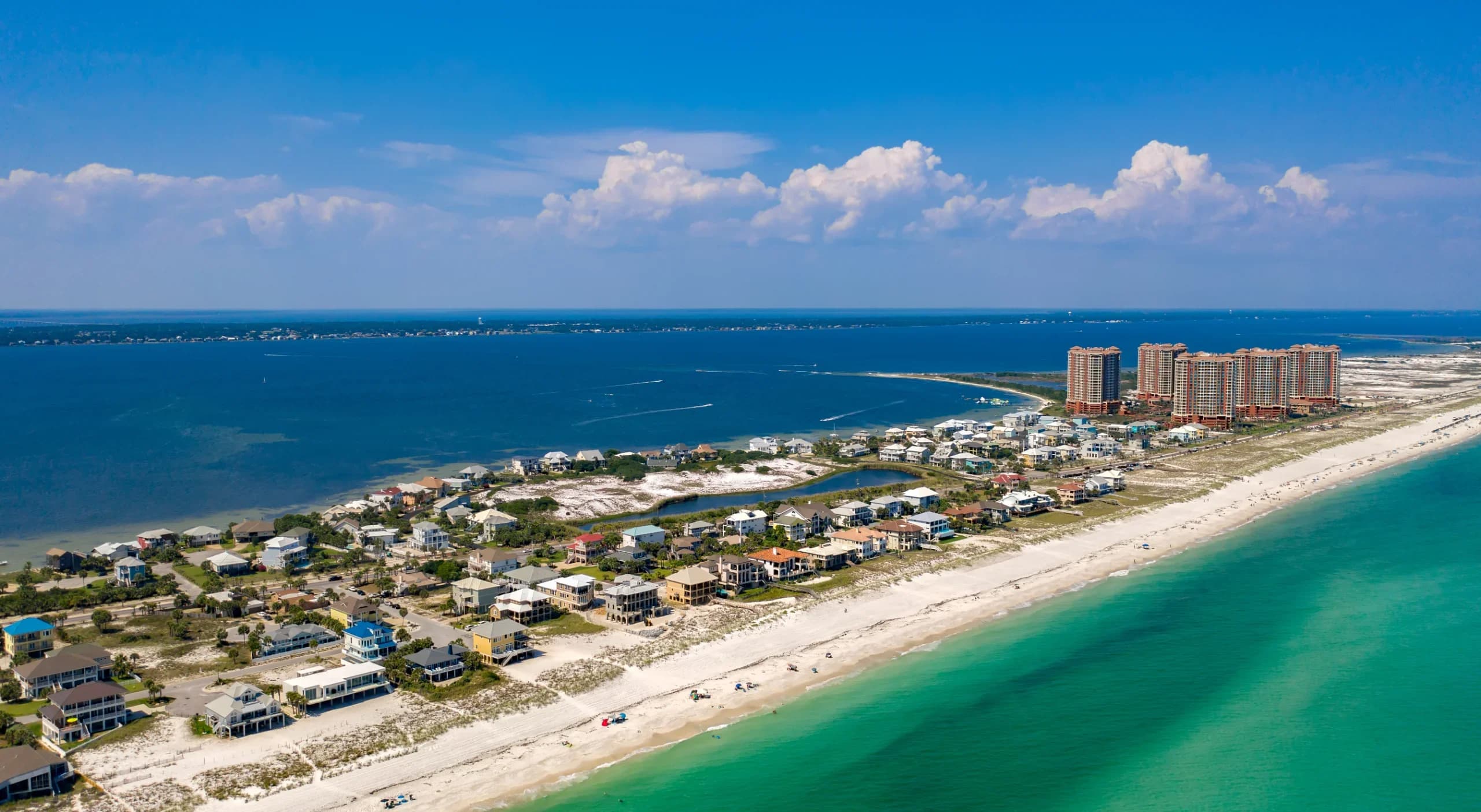
Urban treatment centers in Pensacola are significantly more common here than nationwide—71 percent of outpatient programs report urban settings, more than twice the directory average. Many also offer inpatient and residential rehab alongside outpatient care.
2 within 10 miles · 17 within 25 miles · 22 within 50 miles
Outpatient rehab treatment in Pensacola suits people managing alcohol or drug dependence while living at home and staying connected to work and family. You attend sessions at a clinic—typically a few times per week, with each appointment lasting one to three hours—then return to your daily routine. Most people continue outpatient rehab for several weeks to several months, depending on how long does outpatient rehab last and what your recovery needs are; your treatment team will help you decide whether you need more intensive care (like residential programs or partial hospitalization) or whether stepping down to standard outpatient visits makes sense as you progress.
In Pensacola's economy, where military families, healthcare workers, hospitality staff, educators, and aviation professionals make up much of the workforce, outpatient rehab near you means minimal time away from your job and the ability to manage treatment around your schedule. Whether your employer's insurance covers outpatient rehab in Pensacola, FL depends on your specific plan and your state's parity rules—Florida requires most insurers to cover addiction treatment at the same level they cover medical care—so verifying your benefits and asking about how to choose an outpatient rehab program that accepts your plan is a practical first step in the admissions process.
10 of the 21 that report it in Pensacola — 48%, against 23% across the directory.
6 of the 21 that report it in Pensacola — 29%, against 16% across the directory.
9 of the 14 that report it in Pensacola — 64%, against 39% across the directory.
5 of the 7 that report it in Pensacola — 71%, against 27% across the directory.
6 of the 21 that report it in Pensacola — 29%, against 16% across the directory.
Most outpatient programs in Pensacola offer daytime or evening sessions so you can keep working or managing family responsibilities—ask whether schedules are flexible enough for your life, and whether they adjust if your job or caregiving shifts.
Nearly all local options can treat substance use alongside depression, anxiety, or other mental-health conditions, but confirm the specific diagnoses and medications they're equipped to handle so you're not referred elsewhere mid-treatment.
Check whether the program you're considering is in-network with your insurance carrier and what your plan requires before starting—deductibles, copays, and session limits vary widely, so verify your own benefits directly with your insurer.
Ask how many sessions per week they recommend for your situation and whether they can step you down to fewer sessions as you stabilize, or connect you with aftercare support when outpatient treatment ends.
Getting into an outpatient program typically starts with a phone call or online inquiry, followed by an assessment to determine the right fit and schedule. That assessment helps the program understand your needs—what substances you're using, how long, any medical or mental-health concerns—so they can match you with the right intensity of care. If you're using insurance, have your member ID ready when you call; the program or your carrier can tell you what's in-network nearby and what your plan requires before your first appointment, though the exact benefits depend on your individual policy.
After outpatient treatment ends, most people benefit from ongoing support—whether that's a peer group, individual therapy, or medication management—to help prevent relapse. Some people step down to a lower level of care, while others continue with the same program on a less frequent schedule. Your treatment provider can help you plan what comes next before you finish, so you're not starting over from scratch.
Most outpatient rehab programs in Pensacola accept Medicaid, and many accept self-pay and state-funded options as well. The best way to understand your coverage is to contact programs directly with your insurance card and policy number; they can tell you whether your plan covers outpatient treatment and what your out-of-pocket costs might be.
Outpatient rehab typically involves attending therapy, counseling, or group sessions several times a week while you live at home or nearby. Schedules vary—some people attend a few hours in the morning or evening, others go multiple times weekly—so you can often keep working or managing daily responsibilities.
Wait times depend on the program and your insurance verification, but many Pensacola-area facilities can schedule intake within days to a couple of weeks. Calling ahead to ask about current openings and the admissions timeline helps you plan next steps.
The length of outpatient rehab varies based on your needs, insurance, and progress—some programs last 6 to 12 weeks, while others are longer. Your treatment team will work with you and your insurance to determine what makes sense.
Bring your insurance card, photo ID, and any medical records from previous treatment or healthcare providers. Programs will ask about your medical history, substance use, and current medications, so having that information ready speeds up the process.
Many people do outpatient treatment in their hometown because you don't live at the facility. If you're traveling, some programs can suggest local housing or recovery-focused accommodations, though that's typically your responsibility to arrange.
Aftercare and ongoing recovery support—like outpatient therapy, support groups, or medication-assisted treatment—help maintain progress after intensive outpatient care ends. Talk to your treatment team before you finish about what comes next and how to stay connected to support.
To find a good fit, call programs in Pensacola directly and ask about their treatment approach, how they handle your insurance, and whether they have experience with your specific needs. Many will let you speak with a counselor before committing, so you can get a sense of whether it feels right.
Pensacola, Florida · 3.7 mi from Pensacola
Pensacola, Florida · 9.7 mi from Pensacola
Pensacola, Florida · 11.2 mi from Pensacola
Pensacola, Florida · 11.3 mi from Pensacola
Pensacola, Florida · 11.4 mi from Pensacola
Pensacola, Florida · 11.8 mi from Pensacola
Pensacola, Florida · 11.8 mi from Pensacola
Pensacola, Florida · 11.9 mi from Pensacola
Pensacola, Florida · 11.9 mi from Pensacola
Pensacola, Florida · 11.9 mi from Pensacola
Pensacola, Florida · 11.9 mi from Pensacola
Pensacola, Florida · 12.4 mi from Pensacola
Navarre, Florida · 13 mi from Pensacola
Pensacola, Florida · 13 mi from Pensacola
Pensacola, Florida · 16.6 mi from Pensacola
Pensacola, Florida · 17 mi from Pensacola
Fort Walton Beach, Florida · 24.1 mi from Pensacola
Pensacola, Florida · 25.5 mi from Pensacola
Pensacola, Florida · 25.5 mi from Pensacola
Fort Walton Beach, Florida · 26 mi from Pensacola
Shalimar, Florida · 27.4 mi from Pensacola
Century, Florida · 38.7 mi from Pensacola
Panama City Beach, Florida · 65.5 mi from Pensacola
Panama City, Florida · 83.9 mi from Pensacola
and 5 more
Reported by 19 of the 21 listed here.
and 1 more
Reported by 21 of the 21 listed here.
and 4 more
Reported by 21 of the 21 listed here.
and 1 more
Reported by 21 of the 21 listed here.
and 8 more
Reported by 21 of the 21 listed here.
and 6 more
Reported by 19 of the 21 listed here.
and 6 more
Reported by 21 of the 21 listed here.
Pensacola, Florida · 3.7 mi
Pensacola, Florida · 9.7 mi
Pensacola, Florida · 11.2 mi