S
Siesta Addictions Specialists
Sarasota, Florida · 1 mi from Sarasota
Aftercare / Continuing CareDual-Diagnosis / Co-OccurringInpatientInterventions

Four treatment centers in the area offer this level of care, with details on their insurance acceptance and how to check if your plan covers treatment.
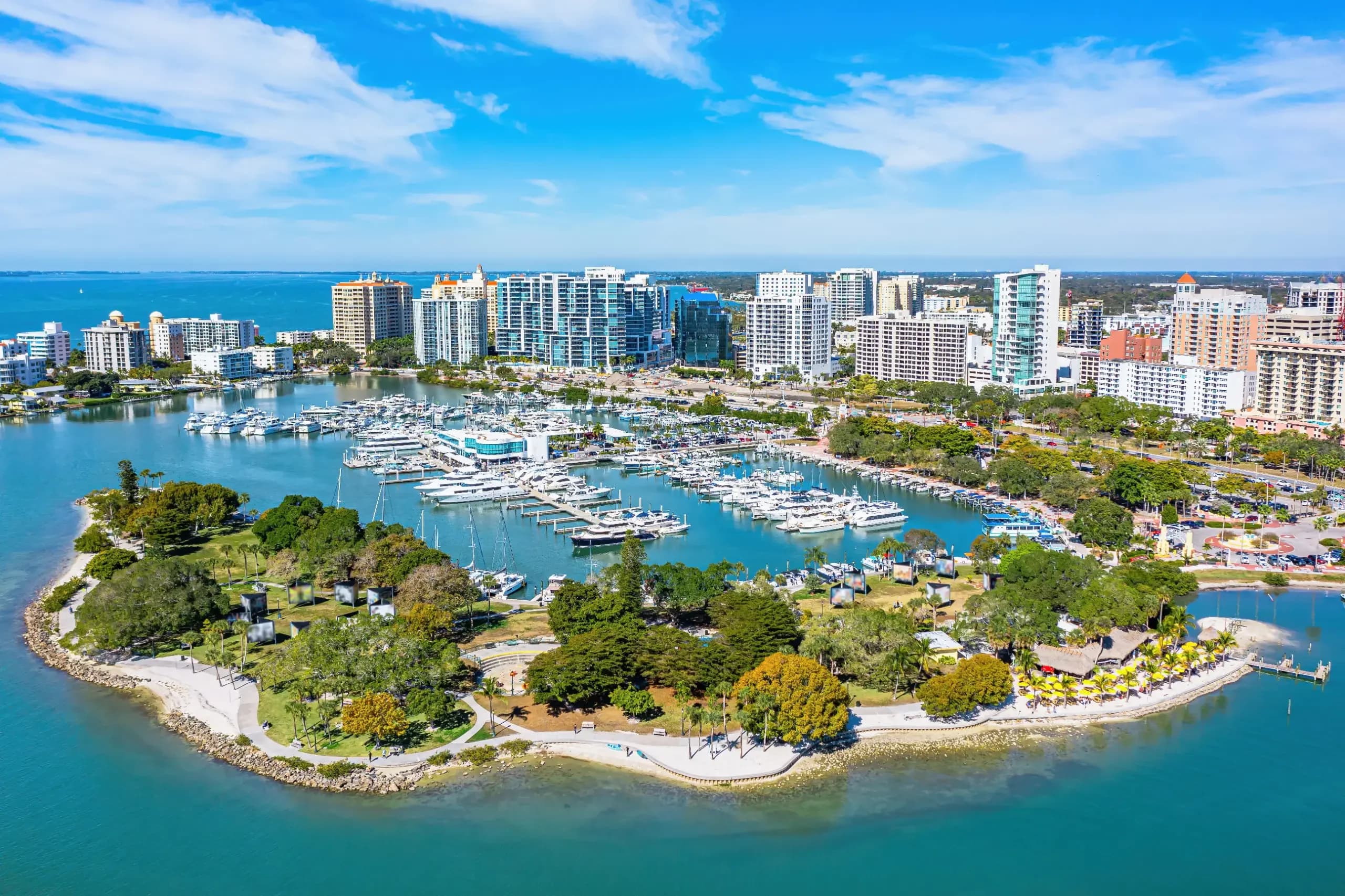
Four treatment centers in Sarasota offer intensive outpatient programs, all accepting private insurance and self-pay options. Most provide medication-assisted treatment alongside group and individual therapy, with locations within ten miles of each other.
4 within 10 miles · 4 within 25 miles · 29 within 50 miles
Intensive Outpatient (IOP) treatment in Sarasota typically means attending a program several days a week for a few hours per session—usually three to five hours daily—while living at home and maintaining work or family responsibilities. This level suits people who need structured clinical support, group and individual therapy, and skill-building around addiction or mental-health challenges, but who don't require the around-the-clock supervision of residential care. Most people spend two to four months in IOP, though duration depends on progress, clinical needs, and how insurance coverage shapes your specific treatment plan.
Sarasota's economy keeps many people working in healthcare, tourism, hospitality, and professional services, which means finding a program that fits your schedule and doesn't derail your job matters. If you work in seasonal industries or have caregiving roles, IOP can preserve stability while you get help—but it also requires you to be ready for real commitment. Your insurance plan determines whether IOP is covered, what your out-of-pocket responsibility is, and how long your carrier will fund it; verifying your own benefits before you apply is the clearest first step. Recovery Dawn connects you with local treatment options and helps you understand what your plan covers.
Ask what schedule options work for your life—morning, afternoon, or evening sessions, and whether you can adjust frequency if work or family obligations shift. Programs that offer flexible timing are more likely to fit reality rather than asking reality to fit the program.
Find out whether the program includes medication-assisted treatment on-site if you need it, or whether you'd be managing that through a separate provider. Coordination between your IOP sessions and any medication support matters for consistency.
Verify in-network status with your specific insurance plan before you call—coverage and out-of-pocket costs depend entirely on your plan, so contact your carrier or ask the program to check your benefits. Wait times vary; ask how soon they can admit you and what the typical caseload size is per counselor.
Understand what happens after IOP ends—ask about aftercare planning and whether the program connects you with ongoing support, whether that's step-down outpatient care, peer groups, or other recovery resources in Sarasota. Continuity of care often determines how people sustain progress.
Getting started usually begins with an assessment—a conversation with a clinician who'll understand your situation, any medical history, and what kind of support makes sense for you. Some programs in the Sarasota area can see you within days; others may have a wait. Knowing what to bring (photo ID, insurance card if you have one, a list of any medications you take) and calling ahead to ask about their timeline helps you move forward without surprises. If you're working or managing family responsibilities, ask about their schedule—many programs offer evening or weekend hours so treatment fits into your life rather than stopping it.
Insurance changes the picture in one key way: most carriers require pre-authorization before treatment starts, meaning the program will contact your plan to confirm your benefits before your first session. This usually takes a day or two. If you don't have insurance, ask programs directly about sliding-scale fees or what they offer—some work with people regardless of ability to pay. After this level of care ends, your next step is planned with your treatment team; some people move to standard outpatient care, others to aftercare and ongoing recovery support, and that transition is built in so you're not left without a plan.
Most programs in the Sarasota area accept private insurance, Medicaid, and military health plans including TRICARE. Many also offer self-pay options. However, coverage depends on your individual plan—you'll want to contact your insurer directly to confirm your benefits and any authorization requirements before starting treatment.
It varies by program and your plan. Some Sarasota programs report accepting Aetna, Blue Cross Blue Shield, Medicaid, and TRICARE, among others. The best way to know your costs and out-of-pocket responsibility is to verify your specific benefits with your insurance company or ask when you call a program directly.
Most programs in Sarasota accept private insurance and self-pay. If you're uninsured or underinsured, ask about payment plans or sliding-scale fees when you reach out. Some may also connect you with resources or grants, so it's worth discussing your situation with the program directly.
Wait times vary by program and current demand. Some may have openings within days, while others may have a week or two wait. When you contact programs, ask directly about their current admissions timeline so you can plan accordingly.
Bring your insurance card, a photo ID, and any medical records or documentation about your health history if you have them. Be prepared to discuss your substance use history, any medications you're taking, and your work or school schedule so the program can work with you on timing. You may also need to arrange reliable transportation to daily sessions.
Most intensive outpatient programs meet several days a week for several hours per day, typically lasting a few months, though length varies based on your needs and progress. Your treatment plan will be personalized, and your provider can tell you more about the typical timeline during your intake process.
Aftercare and ongoing recovery support—such as group meetings, outpatient counseling, or peer support—are often recommended after completing intensive outpatient treatment to help maintain progress. Your program can discuss what options are available in Sarasota and what might work best for you after this level of care ends.
You can stay local if programs in Sarasota have availability and accept your insurance, which most do. Staying close to home, your job, and your support system can make it easier to stick with treatment. If you can't find a fit locally or need a specific type of program, discuss other options with the programs you contact.
Sarasota, Florida · 1 mi from Sarasota
Sarasota, Florida · 2.9 mi from Sarasota
Sarasota, Florida · 4.5 mi from Sarasota
Sarasota, Florida · 5.2 mi from Sarasota
St. Petersburg, Florida · 31.4 mi from Sarasota
St. Petersburg, Florida · 31.5 mi from Sarasota
St. Petersburg, Florida · 32.7 mi from Sarasota
Port Charlotte, Florida · 32.8 mi from Sarasota
St. Petersburg, Florida · 34.7 mi from Sarasota
St. Petersburg, Florida · 37 mi from Sarasota
St. Petersburg, Florida · 37.4 mi from Sarasota
Riverview, Florida · 38.4 mi from Sarasota
Punta Gorda, Florida · 40 mi from Sarasota
Tampa, Florida · 41.7 mi from Sarasota
Tampa, Florida · 41.9 mi from Sarasota
Tampa, Florida · 41.9 mi from Sarasota
Tampa, Florida · 41.9 mi from Sarasota
Tampa, Florida · 43.3 mi from Sarasota
Brandon, Florida · 43.5 mi from Sarasota
Brandon, Florida · 43.6 mi from Sarasota
Brandon, Florida · 43.6 mi from Sarasota
Brandon, Florida · 43.7 mi from Sarasota
Tampa, Florida · 44.2 mi from Sarasota
Tampa, Florida · 44.2 mi from Sarasota
and 14 more
Based on the 3 that report it; others have not said.
Reported by 4 of the 4 listed here.
and 7 more
Reported by 4 of the 4 listed here.
and 2 more
Reported by 4 of the 4 listed here.
and 8 more
Reported by 4 of the 4 listed here.
and 2 more
Reported by 4 of the 4 listed here.
and 2 more
Reported by 4 of the 4 listed here.
Sarasota, Florida · 0.3 mi
Sarasota, Florida · 0.8 mi
Sarasota, Florida · 1 mi