E
Eagle Creek Ranch Recovery for Men
Nampa, Idaho
DetoxResidential Rehab

49 treatment centers across Idaho offering Detox Centers.
Every one of the 49 Idaho treatment centers in this directory that reports its levels of care offers medically supervised withdrawal management — a concentration two and a half times higher than the 38% seen across the directory as a whole. Two other patterns stand out in the Idaho data: 17 of 48 centers record IHS or Tribal payment routes, close to three times the national rate in these listings, and 31 of 48 report treating chronic pain alongside substance use, more than twice as common here as elsewhere.
Detox in Idaho means short-term medical stabilisation while a substance leaves the body, with staff watching for seizures, dangerous blood pressure changes, dehydration and severe agitation. It suits someone who is physically dependent — particularly on alcohol, benzodiazepines or opioids — and for whom stopping without supervision carries real risk. It is not the right starting point for someone who is not physically dependent, someone whose main need is therapy or medication management for a mental health condition, or someone already stable who needs ongoing structure rather than acute monitoring.
Idaho residential and withdrawal management programmes are licensed by the state's Division of Behavioral Health, and 28 of the 49 listings here record state licensure. Twenty-one are SAMHSA-listed, 19 hold CARF accreditation and 17 hold Joint Commission accreditation — ask any facility to confirm its current status directly.
Forty-six of the 49 Idaho centers listed record accepting Medicaid and 43 record state-funded or free options, alongside 42 accepting self-pay. Idaho Medicaid behavioural health benefits are administered under a managed care arrangement, so authorisation requirements differ from commercial plans — verify both with your plan and with the facility.
Alcohol and opioids are each treated by 48 of the 49 listings, nicotine by 45, and seven specifically record fentanyl — four times the directory-wide rate. Fentanyl dependence changes the withdrawal picture, so say plainly what has been used when you call.
Forty-seven of 49 treat co-occurring disorders, 40 treat PTSD or trauma and 16 offer EMDR, roughly double the directory average. Forty-three centers serve people aged 65 and over and 27 accept adolescents aged 13 to 17, which is worth checking early since youth beds are scarcer across the state.
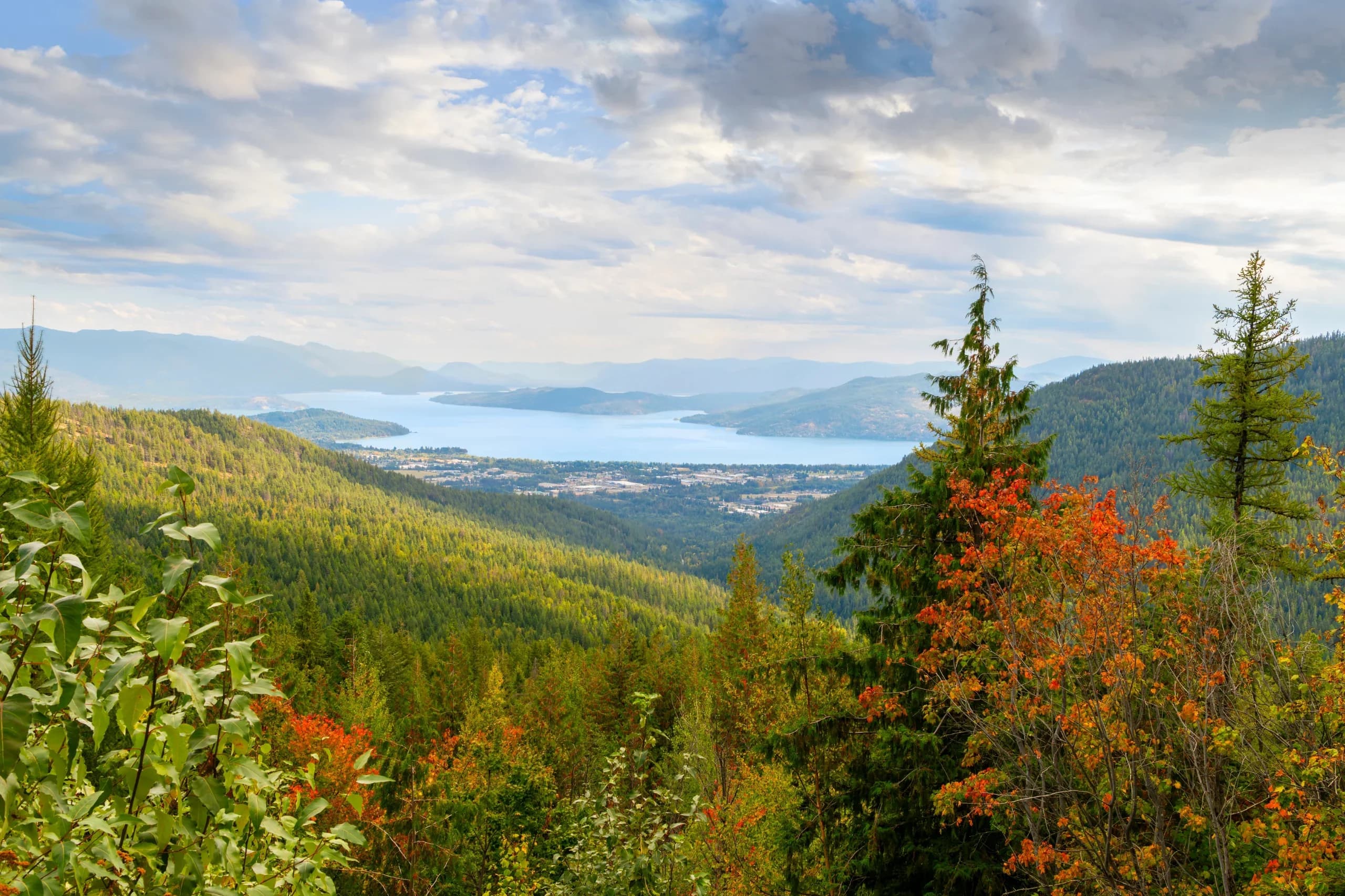
Idaho's geography shapes how people reach this care. Facilities cluster along the Treasure Valley, the Magic Valley corridor and the northern panhandle, which means a resident of a frontier county may drive two hours or more to the nearest bed — and may then choose whether to stay near home or move closer to family in a metro area for the days that follow. Nine of the 49 listings record accepting Intermountain Health, a regional insurer barely present elsewhere in this directory, and 37 record TRICARE, which matters in communities near Mountain Home Air Force Base and the Idaho National Laboratory.
Wait times vary by season and by bed type. Programmes that hold state licensure and contract with state-funded pathways often carry the longest lists, while private-pay and commercially insured admissions can move faster; 47 of the 49 listings record accepting private insurance. Because 47 of the 49 also offer medication-assisted treatment and 47 offer aftercare, it is worth asking during the first phone call what happens on discharge day, not only whether a bed is free.
Withdrawal management is medically supervised care for the days when a substance leaves the body. Staff monitor vital signs, treat symptoms such as nausea, tremor, agitation and seizure risk, and keep a person safe until they are stable enough for the next stage. It is a stabilisation step, not treatment for the underlying substance use disorder — which is why 48 of the 49 Idaho programmes listed here also run outpatient rehab.
Length depends on the substance, how much and how long it was used, physical health and whether more than one substance is involved. Alcohol and benzodiazepine withdrawal are usually managed over several days; opioid withdrawal timelines differ again, especially where fentanyl is involved. Only the admitting clinician can estimate a person's own timeline, so ask when you call.
Most plans sold or regulated in Idaho must cover substance use disorder benefits comparably to medical and surgical benefits under federal and state parity rules, but the amount you pay depends entirely on your own plan, network status and prior-authorisation requirements. Call the member services number on your card and ask specifically about medically monitored withdrawal management, then confirm the same with the facility before admission.
Forty-six of the 49 Idaho centres listed here record accepting Medicaid, and 43 record state-funded or free options. Idaho Medicaid covers behavioural health services through its managed care arrangement, so eligibility and authorisation rules apply — confirm your current enrolment status and ask the facility whether it bills Idaho Medicaid for this level of care.
No fixed figure can be quoted, because cost varies by facility, length of stay, level of medical monitoring and how your plan applies deductibles and coinsurance. Forty-two of the 49 listings record accepting self-pay or cash, and 43 record state-funded or free pathways. Ask each facility for a written estimate and ask your insurer what it will apply toward your out-of-pocket maximum.
Expect a phone screening covering substances used, last use, medical history, medications, mental health history and insurance or payment route. Some programmes admit the same day if a bed is open; others place you on a waiting list or suggest a nearby alternative. Bring identification, your insurance card and a list of current prescriptions.
Look at licensing and accreditation — 28 of these Idaho listings hold state licensure, 21 are SAMHSA-listed, 19 are CARF accredited and 17 hold Joint Commission accreditation. Then check the practical fit: does it accept your coverage, does it treat your substance, does it also offer the next step of care, and can family reach you there.
Call 911 for a medical emergency. Alcohol and benzodiazepine withdrawal can be dangerous without supervision, so seek medical help rather than stopping alone. For a mental health or suicidal crisis, call or text 988 at any hour.
Bed availability in Idaho changes daily, so call two or three programmes rather than waiting on one — and ask each what it can do today if it cannot admit you. Have your insurance card and a list of current medications beside you when you dial. If withdrawal symptoms are severe or you are in danger right now, call 911; for a mental health crisis, call or text 988.
49 of the 49 that report it in Idaho — 100%, against 38% across the directory.
7 of the 49 that report it in Idaho — 14%, against 3.5% across the directory.
31 of the 48 that report it in Idaho — 65%, against 27% across the directory.
9 of the 49 that report it in Idaho — 18%, against 1.4% across the directory.
17 of the 48 that report it in Idaho — 35%, against 13% across the directory.
Nampa, Idaho
Boise, Idaho
Coeur d Alene, Idaho
Clark Fork, Idaho
Sandpoint, Idaho
Boise, Idaho
Boise, Idaho
Caldwell, Idaho
Boise, Idaho
Boise, Idaho
Nampa, Idaho
Caldwell, Idaho
Idaho Falls, Idaho
Gooding, Idaho
Priest River, Idaho
Pocatello, Idaho
Caldwell, Idaho
Nampa, Idaho
Boise, Idaho
Plummer, Idaho
Pocatello, Idaho
Nampa, Idaho
Heyburn, Idaho
Pocatello, Idaho
and 22 more
Reported by 49 of the 49 listed here.
and 1 more
Reported by 48 of the 49 listed here.
and 5 more
Reported by 49 of the 49 listed here.
Reported by 49 of the 49 listed here.
and 7 more
Reported by 48 of the 49 listed here.
and 5 more
Reported by 49 of the 49 listed here.
and 9 more
Reported by 49 of the 49 listed here.