P
Pocono Mountain Recovery Center
Henryville, Pennsylvania
Aftercare / Continuing CareDetoxIntensive Outpatient (IOP)Outpatient Rehab

41 treatment centers across Pennsylvania that work with Carelon.
Day treatment is unusually well established in Pennsylvania. Thirty-two of the 41 programs listed here run PHP or day treatment — roughly three and a half times as common as it is across the directory nationally — which means a person who needs structure through the day but wants to sleep at home has real options across the commonwealth. Treatment for prescription drug use is also reported far more often here, by 14 of the 41 programs, at around six times the rate seen elsewhere.
All 41 of these Pennsylvania facilities report accepting Carelon Behavioral Health. That tells you where to start a conversation, not what your plan will pay: benefits, authorization rules and network status vary policy to policy, and both your insurer and the facility's admissions staff need to confirm them before you commit to a start date.
Thirty-four of the 41 Pennsylvania programs listed treat co-occurring mental health and substance use conditions, and 35 report treating co-occurring disorders clinically. Twenty-seven address PTSD and trauma, and five report treating borderline personality disorder — a specialty recorded here at several times the national rate in this directory.
Nineteen of the 41 report supporting new mothers, close to double the rate across the directory as a whole. Nine serve adolescents aged 13 to 17, 33 serve adults 65 and older, and two run men-only programs while two run women-only.
Thirty-five programs treat alcohol and 34 treat opioids, with 31 also addressing nicotine and tobacco. Twenty-nine use harm reduction approaches alongside the 23 that use 12-step frameworks, so the philosophy behind the care varies and is worth asking about.
Thirty-three of the 41 hold state licensure, 18 are CARF accredited, 13 are SAMHSA-listed and 12 hold Joint Commission accreditation. Twelve offer services in ASL and six in Spanish, which is worth confirming directly if it applies to your family.
Pennsylvania's insurance landscape shapes what you will find. Highmark appears among accepted carriers at 29 of the 41 programs — a regional pattern you would not see in most states — and 38 also accept Cigna while 35 accept Aetna, so a household covered by more than one plan often has overlapping options at the same facility. Forty of the 41 accept Medical Assistance, which matters in a state where county behavioral health systems administer a large share of substance use care and where people frequently move between commercial and public coverage.
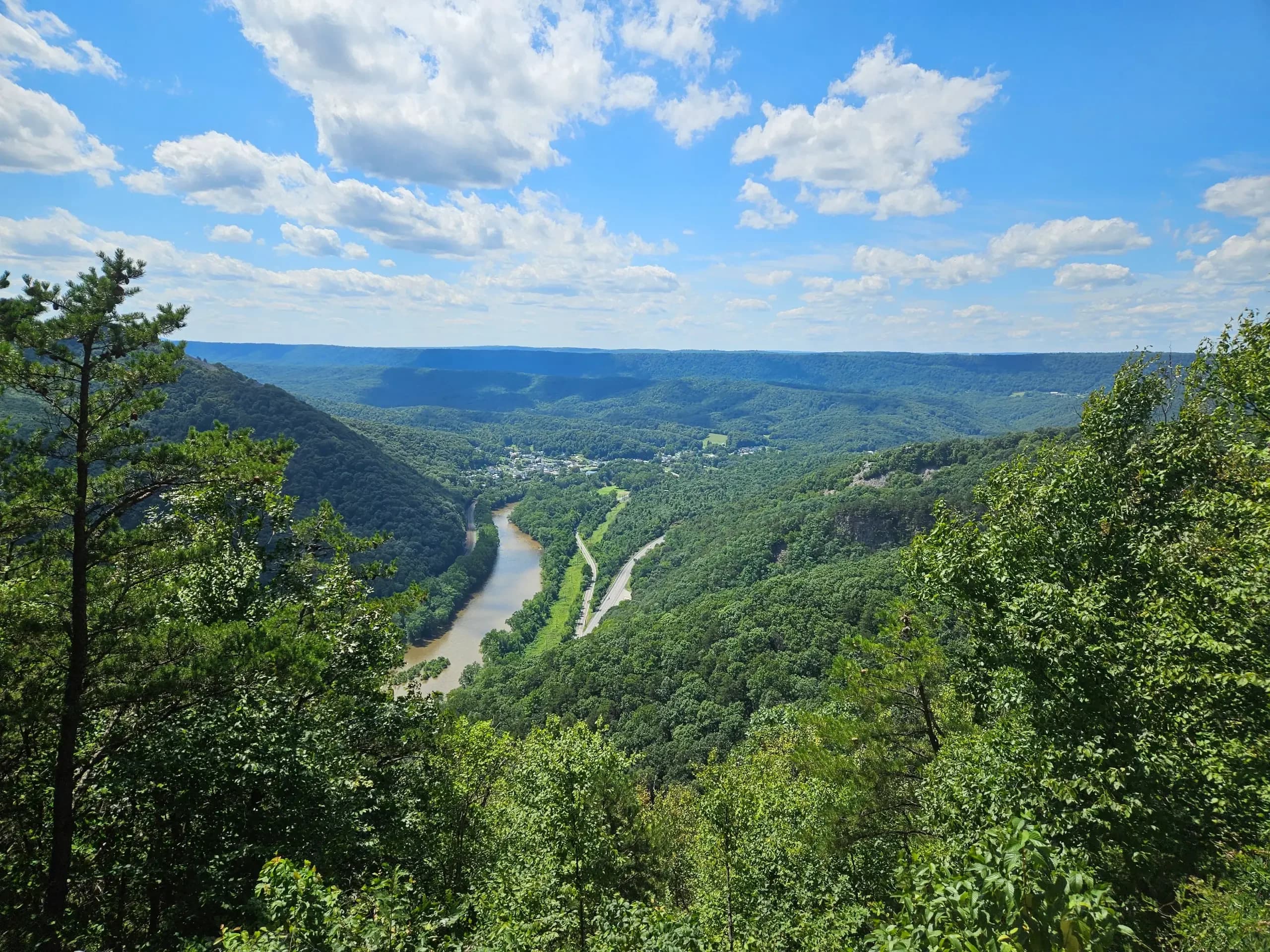
Geography drives the rest of the decision. Rural residents in the northern tier, the coal region and the southwest routinely drive an hour or more toward Pittsburgh, Harrisburg, Scranton or the Philadelphia suburbs for anything above standard outpatient, and 12 of the 21 programs reporting amenities here say they provide transportation — more than twice the directory-wide rate. Where the drive is not workable, 35 of the 41 offer virtual or telehealth services.
Coverage for treatment is a plan-level question rather than a carrier-level one. Behavioral health benefits administered through Carelon Behavioral Health commonly include substance use treatment, but the levels of care approved, the network status of a given program and any authorization requirements depend on your specific policy. Confirm with the number on your card and with the facility's intake office before admission.
All 41 Pennsylvania programs in this directory report accepting Carelon Behavioral Health, and each listing shows its city, levels of care and other accepted carriers. Filtering by county or by drive time from home is usually more useful in Pennsylvania than searching by radius alone, since the state's road geography means the nearest program may be an hour away over ridgelines.
Call the member services number on the back of your insurance card and ask specifically about substance use and behavioral health benefits, then call the facility's admissions line and give them your member ID so they can run their own check. Ask both parties the same three questions: is this program in network, what level of care is authorized, and what will I owe.
Nobody can quote a figure honestly without seeing your plan documents. What you pay depends on your deductible status, coinsurance, whether the program is in network and which level of care you enter. Ask the facility's billing staff for a written estimate once they have verified your benefits.
Medical detox is a distinct benefit from residential or outpatient care and is frequently subject to its own medical necessity review and authorization. Some Pennsylvania programs provide detox on site while others coordinate with a hospital or freestanding detox unit first. Ask directly whether withdrawal management happens where you are admitting or elsewhere.
Sixteen of Pennsylvania's counties are classified rural, and telehealth has become a practical answer to that distance. Thirty-five of the 41 listings here offer virtual or telehealth services, which can cover therapy sessions and some outpatient contact, though detox and residential care require you to be physically present.
Yes. Forty of the 41 programs listed accept Medical Assistance, and many Pennsylvanians move between commercial coverage and Medicaid over the course of a year. Tell the facility about both so its billing staff can coordinate and so a coverage change mid-treatment does not interrupt care.
In-network status is set by contract between the facility and the plan, so it can differ between two programs in the same building or change from one plan year to the next. The listings here reflect what each facility reports, and the reliable check is a call to your insurer confirming that specific program and specific level of care.
Day programs, evening outpatient groups, telehealth sessions and residential beds are all represented among the Pennsylvania listings — 41 in total, each showing its city, levels of care and reported carriers. Write down two or three that fit your schedule and travel situation, then call their admissions lines directly with your member ID in hand. If you or someone you love is in immediate danger, call or text 988, or dial 911.
32 of the 41 that report it in Pennsylvania — 78%, against 22% across the directory.
14 of the 41 that report it in Pennsylvania — 34%, against 5.7% across the directory.
5 of the 38 that report it in Pennsylvania — 13%, against 1.4% across the directory.
29 of the 41 that report it in Pennsylvania — 71%, against 1.8% across the directory.
19 of the 41 that report it in Pennsylvania — 46%, against 26% across the directory.
Henryville, Pennsylvania
Langhorne, Pennsylvania
Allentown, Pennsylvania
Wilkes Barre, Pennsylvania
Exton, Pennsylvania
Shickshinny, Pennsylvania
Greensburg, Pennsylvania
Pittsburgh, Pennsylvania
Temple, Pennsylvania
Pittsburgh, Pennsylvania
Broomall, Pennsylvania
Greensburg, Pennsylvania
Orefield, Pennsylvania
Lancaster, Pennsylvania
Greensburg, Pennsylvania
Washington, Pennsylvania
Henryville, Pennsylvania
Butler, Pennsylvania
Allenwood, Pennsylvania
Pittsburgh, Pennsylvania
State College, Pennsylvania
Lebanon, Pennsylvania
Pittsburgh, Pennsylvania
Butler, Pennsylvania
and 7 more
Reported by 41 of the 41 listed here.
and 10 more
Reported by 38 of the 41 listed here.
and 6 more
Reported by 41 of the 41 listed here.
and 8 more
Reported by 41 of the 41 listed here.
Based on the 33 that report it; others have not said.
Reported by 39 of the 41 listed here.
Malibu, California
Madeira Beach, Florida
Monument, Colorado