P
Pocono Mountain Recovery Center
Henryville, Pennsylvania
Aftercare / Continuing CareDetoxIntensive Outpatient (IOP)Outpatient Rehab

90 treatment centers across Pennsylvania that work with Cigna.
Inpatient care shows up unusually often among Pennsylvania's listings — 55 of the 90 facilities here report a residential or inpatient level of care, about 61% compared with 23% across the wider directory, roughly 2.7 times as common. Highmark acceptance is another Pennsylvania signature: 58 of the 90 report it, a rate far above what appears nationally, which reflects how commercial coverage is structured in this state.
All 90 of these facilities report accepting Cigna. That is a starting point for comparison, not a guarantee of in-network status for your particular plan — Cigna sells many plan types, and network participation differs between them. Confirm with Cigna directly and with the facility before you count on a benefit.
Dual-diagnosis or co-occurring care is reported by 76 of the 90 Pennsylvania facilities, and 78 treat co-occurring disorders as a clinical focus. Trauma is addressed at 63 of them, and 84 describe a trauma-informed approach overall.
Alcohol is treated at 78 of the 90 listed facilities and opioids at 67, while prescription drug treatment appears at 20 of the 85 reporting — around 24%, notably higher than the 6% seen directory-wide.
State licensing is held by at least 74 facilities, with at least 42 holding Joint Commission accreditation and at least 32 CARF accredited. These are credentials the facilities report; you can verify them with the accrediting body directly.
Adults aged 26 to 64 are served by 89 of the 90, young adults by 87, and seniors by 79, while 32 accept adolescents aged 13 to 17. Sixteen facilities specifically report supporting LGBTQ+ clients, a rate several times the directory average.
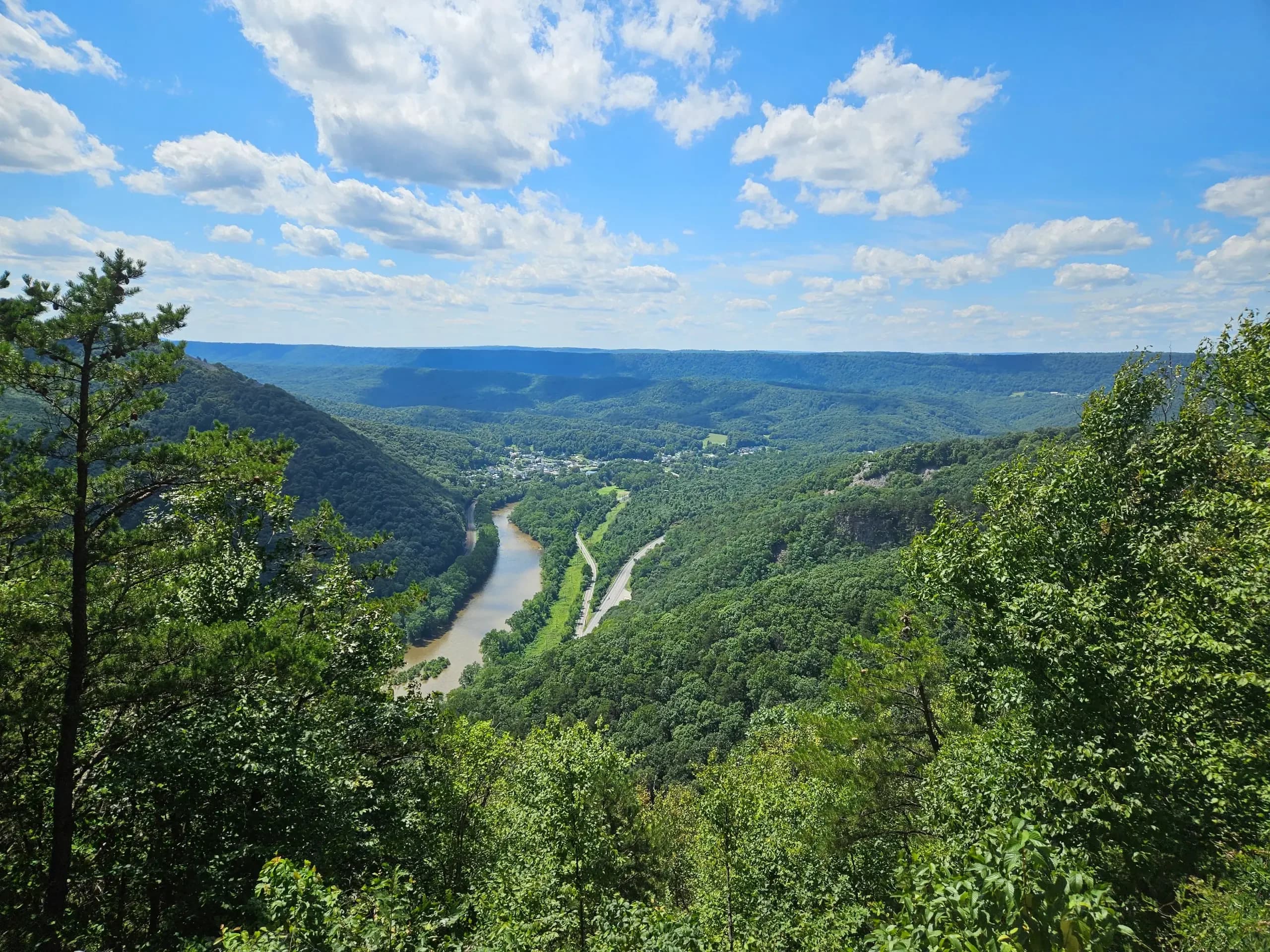
Geography drives a lot of decisions here. Someone in a rural county may be an hour or more from the nearest residential bed, and Pennsylvania's mountain corridors make winter travel a real factor in whether a family can visit or a person can attend an outpatient schedule reliably. Telehealth changes that calculation for some: 76 of the 90 listed facilities report virtual services, and 75 offer medication-assisted treatment, which can sometimes be maintained closer to home once an initial stay is complete.
Pennsylvania's Medical Assistance program runs alongside commercial coverage rather than replacing it, and many facilities work with both — 82 of the 90 accept Medicaid and 55 report state-funded or free options. That matters if a job changes, a plan lapses, or a young adult ages off a parent's policy mid-treatment. Federal parity law and state insurance rules require most plans to apply comparable standards to addiction and mental health benefits as to medical ones, though how that plays out still depends on your specific policy documents.
Many plans include some level of substance use benefit, but the amount, the level of care approved and any prior-authorization step depend entirely on your individual policy. All 90 Pennsylvania facilities in this directory report accepting Cigna, though reporting acceptance is not the same as being in network for your specific plan — confirm both with Cigna's member services and with the facility's admissions staff.
Read the member services number off the back of your card and ask about your behavioral health benefit specifically: which levels of care are covered, whether prior authorization is required, and whether a particular facility is in network for your plan. Then call the facility directly and give them your plan details so they can check on their end too.
Detox is a distinct level of care from residential or outpatient treatment, and plans often review it separately with its own authorization. Ask whether medically managed withdrawal is included in your benefit and whether the facility you are considering provides it on site or refers out.
An in-network facility has a contracted rate with the carrier, which usually means lower cost-sharing for you than an out-of-network provider. Network status can change and varies by plan line, so verify it on the day you plan to admit rather than relying on an older listing.
No honest source can. Cost depends on your deductible, coinsurance, out-of-pocket maximum, the level of care and length of stay, and whether the facility is in network. Ask the facility for a written estimate and ask Cigna what your plan pays toward it.
Yes — 82 of the 90 Pennsylvania facilities listed also accept Medicaid, and 55 report state-funded or free options. If commercial coverage ends or a plan lapses, ask the facility whether they can continue care under a different payment route.
Filter the state listings by level of care, then by county or region, and compare what each facility reports. Distance matters less for outpatient than people expect, since 76 of the 90 offer virtual or telehealth services that can cover part of a program.
Federal parity law and Pennsylvania insurance rules require most plans to treat substance use and mental health benefits no more restrictively than medical and surgical ones. That shapes things like visit limits and authorization rules, but it does not mean every service is covered — plan documents still govern the specifics.
Pick two or three Pennsylvania facilities from the listings, call their admissions lines with your Cigna member ID in hand, and ask the same questions of each: in-network status, authorization requirements, and current bed or intake availability. Call Cigna's member services separately so you hear the benefit description from both sides. If you or someone you love is in immediate danger, call or text 988, or call 911.
55 of the 90 that report it in Pennsylvania — 61%, against 23% across the directory.
20 of the 85 that report it in Pennsylvania — 24%, against 5.7% across the directory.
7 of the 87 that report it in Pennsylvania — 8.0%, against 1.4% across the directory.
58 of the 90 that report it in Pennsylvania — 64%, against 1.8% across the directory.
53 of the 90 that report it in Pennsylvania — 59%, against 35% across the directory.
Henryville, Pennsylvania
Harrisburg, Pennsylvania
Langhorne, Pennsylvania
Malvern, Pennsylvania
West Chester, Pennsylvania
Allentown, Pennsylvania
Bethlehem, Pennsylvania
Greensburg, Pennsylvania
Exton, Pennsylvania
Shickshinny, Pennsylvania
Reading, Pennsylvania
Washington, Pennsylvania
Wilkes Barre, Pennsylvania
New Kensington, Pennsylvania
Pittsburgh, Pennsylvania
Temple, Pennsylvania
Pittsburgh, Pennsylvania
Midland, Pennsylvania
Broomall, Pennsylvania
Mount Pleasant, Pennsylvania
Greensburg, Pennsylvania
Orefield, Pennsylvania
Lancaster, Pennsylvania
Saint Clair, Pennsylvania
and 8 more
Reported by 90 of the 90 listed here.
and 13 more
Reported by 87 of the 90 listed here.
and 6 more
Reported by 85 of the 90 listed here.
and 9 more
Reported by 90 of the 90 listed here.
Based on the 77 that report it; others have not said.
Reported by 86 of the 90 listed here.
Malibu, California
Madeira Beach, Florida
Monument, Colorado