K
KidsPeace
Allentown, Pennsylvania
Dual-Diagnosis / Co-OccurringOutpatient RehabPHP / Day TreatmentResidential Rehab

6 treatment centers across Pennsylvania that work with MHN.
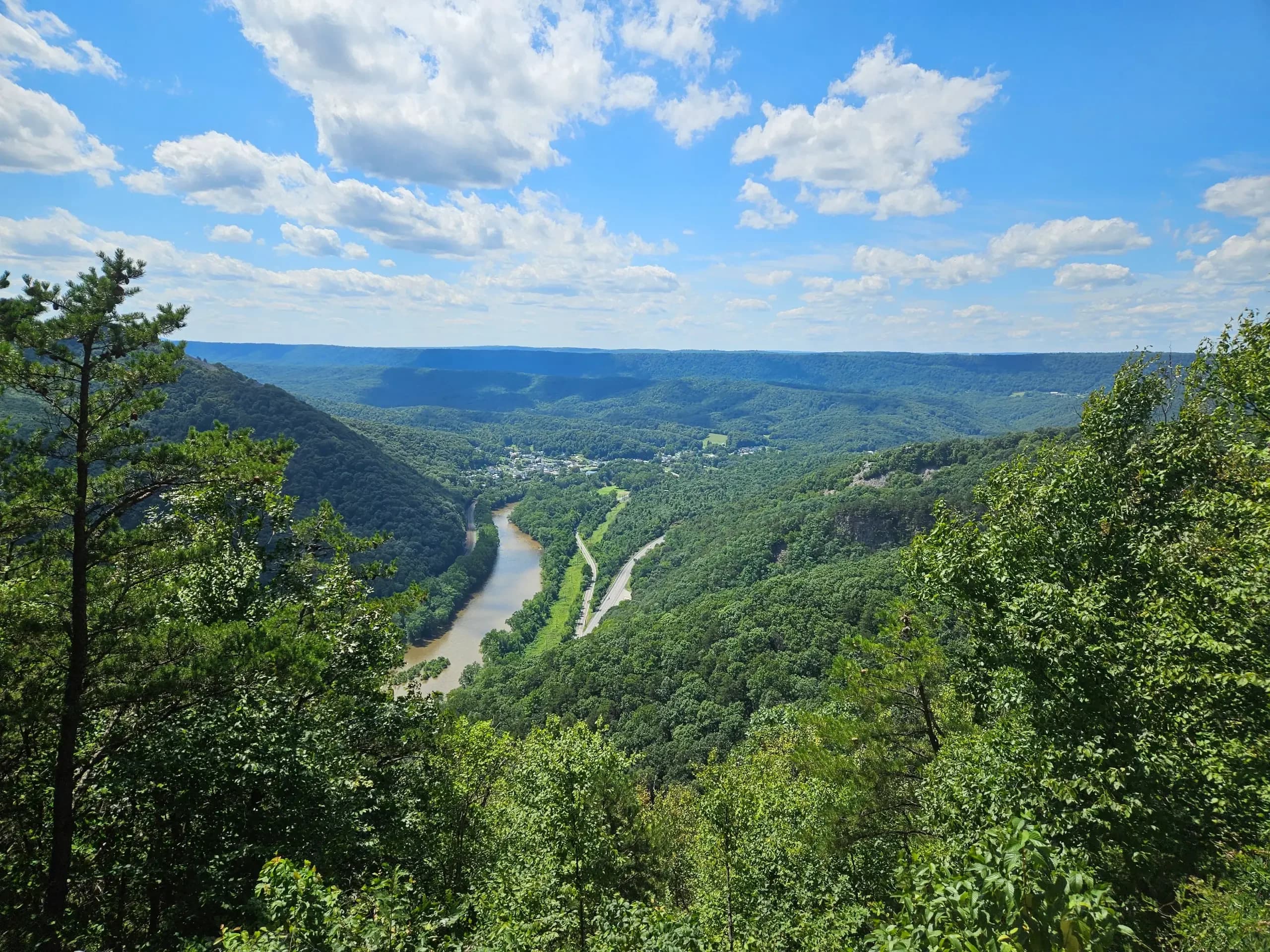
Day treatment is unusually well represented among the Pennsylvania programs listed here: five of the six report PHP or day treatment, a rate close to four times as common as it is across the directory as a whole. Bipolar disorder is another marked difference — five of the six treat it, against a small fraction of listings nationally — which tends to matter for anyone whose substance use sits alongside a mood disorder that has never been treated properly.
Six treatment centers across Pennsylvania are listed as reporting MHN. All six offer residential rehab, five offer dual-diagnosis or co-occurring care, and every one of them accepts private insurance and self-pay. What a plan actually pays is a separate question from what a facility accepts, and only MHN and the facility's billing office can answer it for your policy.
Five of the six programs report PHP or day treatment — far above the directory-wide rate. That structure lets someone keep sleeping at home while attending clinical hours most of the day, which suits commuters from the Lehigh Valley or the Harrisburg corridor.
Five of the six treat bipolar disorder, and all six treat co-occurring disorders, depression and self-harm. Ask any program how psychiatric medication management is handled during treatment, and ask MHN whether prescriber visits are billed separately.
All six report accepting Aetna, Blue Cross Blue Shield, Cigna and Humana, five report Highmark, and five report ComPsych — the last being relevant if your employer routes behavioral health through an EAP. Reported acceptance is not the same as being in network for your plan.
Five of the six serve adolescents aged 13 to 17 and five report academic or school support, so schoolwork continues during a residential or day-treatment stay. All six serve adults, and one reports serving people 65 and older.
Pennsylvania's geography shapes access more than most states. Someone in Potter, Fulton or Greene County may be two hours from the nearest residential bed, and the usual pattern is a drive toward Pittsburgh, Philadelphia, Harrisburg or the Lehigh Valley for the intensive weeks, then a step down closer to home. Telehealth changes that math for many people — five of the six listings here report virtual services, which can make a PHP or outpatient schedule survivable without relocating.
State parity requirements and Pennsylvania's Medical Assistance system also sit in the background of any commercial plan. Four of the six listings report Medicaid alongside private insurance, and four report Military Tricare, so a household with mixed coverage has somewhere to start. Coverage still varies plan to plan, and prior authorization for residential care is common, so ask before you travel rather than after you arrive.
Most MHN plans include some level of substance use and mental health benefit, because federal parity law and Pennsylvania's own insurance rules require behavioral health to be treated comparably to medical care. What that means in dollars, days and prior-authorization steps depends entirely on your specific policy, so confirm the details with MHN directly and with the facility's admissions or billing staff before you commit.
Call the behavioral health number printed on the back of your MHN card and ask three things: whether the facility you have in mind is in network, whether the level of care you want requires prior authorization, and what your deductible and coinsurance look like this plan year. Then call the facility with the same questions — a program's billing office often knows how a plan has processed similar admissions.
Six programs in Pennsylvania are listed here as reporting MHN, and all six also report Aetna, Blue Cross Blue Shield, Cigna and Humana. Five of the six additionally report Highmark, which matters in a state where Highmark is a familiar name in the western and central counties.
Detox is a distinct level of care and is authorized separately from residential or outpatient treatment on most plans. Ask MHN whether withdrawal management is covered, at what setting, and for how many days — and ask any facility you contact whether it provides detox on site or refers out for it.
No one can quote a figure honestly without seeing your plan. Cost depends on your deductible, your coinsurance, whether the program is in network and which level of care you enter, so ask MHN for a written estimate of your share and ask the facility what it bills for the program length being discussed.
Some Pennsylvanians hold a commercial plan and are also eligible for Medical Assistance, and four of the six listed programs report accepting Medicaid alongside private insurance. Ask both the facility and the county behavioral health office how the two would coordinate, since the answer changes with your circumstances.
Five of the six programs listed here report virtual or telehealth services, which is often the practical route for someone in a rural county who cannot drive to Pittsburgh or Philadelphia several times a week. Ask MHN whether telehealth behavioral health is covered at the same benefit level as in-person visits under your plan.
Adolescent and young-adult care is well represented among these listings: five of the six serve ages 13 to 17 and five serve 18 to 25, and five also report academic or school support so a teen does not fall behind during treatment. Confirm with MHN whether your plan's benefit for adolescent residential care differs from the adult benefit.
Write down the six things you need before you call: your MHN member ID, the level of care you think you need, whether detox comes first, whether telehealth would work, whether a teen is involved, and what you can travel. Then contact facilities directly using their own listed details, and call MHN's behavioral health line to confirm benefits before admission. If you or someone you love is in immediate danger, call or text 988, or call 911.
5 of the 6 that report it in Pennsylvania — 83%, against 22% across the directory.
5 of the 6 that report it in Pennsylvania — 83%, against 5.7% across the directory.
6 of the 6 that report it in Pennsylvania — 100%, against 1.3% across the directory.
5 of the 6 that report it in Pennsylvania — 83%, against 40% across the directory.
5 of the 6 that report it in Pennsylvania — 83%, against 1.8% across the directory.
Allentown, Pennsylvania
Temple, Pennsylvania
Orefield, Pennsylvania
Lake Ariel, Pennsylvania
Bethlehem, Pennsylvania
West Chester, Pennsylvania
and 5 more
Reported by 6 of the 6 listed here.
and 7 more
Reported by 6 of the 6 listed here.
and 4 more
Reported by 6 of the 6 listed here.
and 1 more
Reported by 6 of the 6 listed here.
Reported by 6 of the 6 listed here.
Malibu, California
Madeira Beach, Florida
Monument, Colorado