W
Woodland Springs Hospital
Conroe, Texas · 18.7 mi from College Station
Aftercare / Continuing CareDetoxDual-Diagnosis / Co-OccurringInpatient

Ten facilities in the College Station area offer medical detox; you can compare options, filter by your insurance carrier, and see which providers accept your plan.
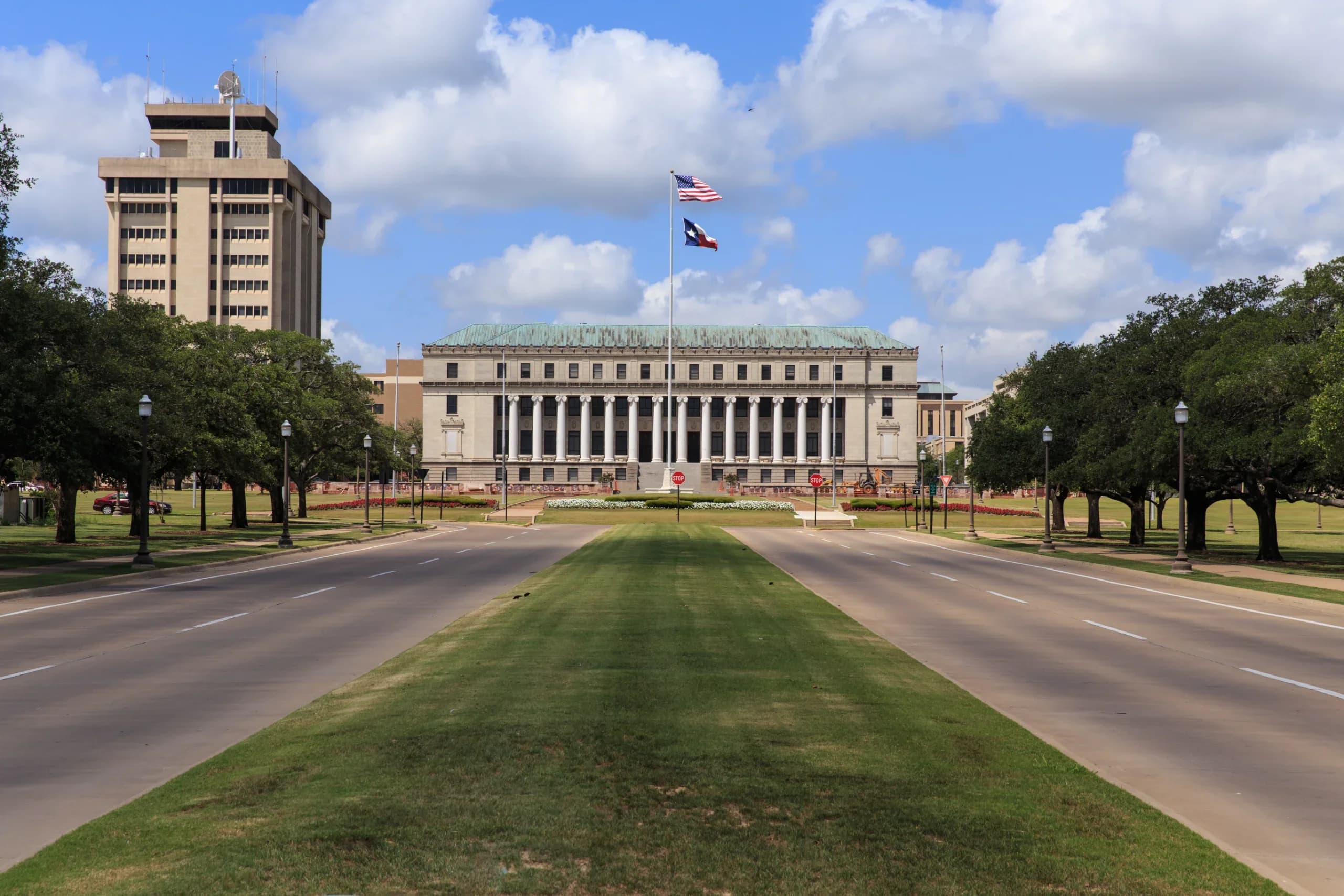
Cocaine and stimulant addiction account for a larger share of detox admissions in College Station than elsewhere in this directory, and inpatient programs here are more than twice as common. Six of ten local centers specialize in these substances and offer residential care during withdrawal.
7 within 25 miles · 29 within 50 miles
Medical detox in College Station involves supervised withdrawal from alcohol or drugs, typically in a medical setting where staff monitor your vital signs and manage symptoms with medication and support. Most people stay for three to seven days, though length varies based on the substance, how long you've been using, and your overall health. It's the right fit if you've tried stopping on your own and couldn't, or if you're physically dependent and worry about withdrawal complications—detox addresses the acute medical phase, after which many people move to residential rehab, outpatient care, or other ongoing treatment depending on their needs.
Because College Station is home to Texas A&M and a large student population, many people here balance detox with work, classes, or family responsibilities nearby. Your insurance coverage and how long detox lasts depend on your plan and medical assessment during the admissions process, so verifying your benefits directly with your carrier before you call helps you understand what to expect. Recovery Dawn is a free service that can connect you with detox options in or near College Station and help you figure out whether your health insurance covers the level of care you're looking for—we're not a treatment provider, but we can point you toward real choices in your area.
6 of the 10 that report it in College Station — 60%, against 23% across the directory.
6 of the 10 that report it in College Station — 60%, against 13% across the directory.
6 of the 10 that report it in College Station — 60%, against 37% across the directory.
7 of the 10 that report it in College Station — 70%, against 34% across the directory.
6 of the 10 that report it in College Station — 60%, against 30% across the directory.
Medical detox addresses acute physical withdrawal, which requires monitoring and medication support — ask whether the program offers 24/7 nursing care and what medications they use for alcohol or opioid withdrawal, since protocols vary between providers.
Most detox stays last 3–7 days on average, but length depends on the substance, your medical history, and how quickly your body stabilizes. Confirm whether the program can extend care if you're not ready to step down to outpatient or residential treatment.
Insurance usually covers detox differently depending on your plan's addiction-treatment benefits and whether the center is in-network for your carrier. Call your insurance company directly to confirm your deductible, copay amounts, and pre-authorization requirements before admitting.
Aftercare planning begins during detox — ask what ongoing support the program provides or coordinates after medical stabilization, whether that's medication-assisted treatment, outpatient counseling, or a referral to residential rehab.
Every detox program surveyed near College Station treats self-harm alongside withdrawal management, and most also address co-occurring disorders and PTSD or trauma — a sign that these programs plan for what's underneath the substance use, not just the physical symptoms of stopping. Family therapy sits alongside individual and group sessions at all ten programs, which matters during detox specifically, since the first days of withdrawal are often when relationships are most strained and most needed.
These programs serve young adults, adults, and seniors without exception, though only one reports capacity for adolescents — worth confirming directly if you're seeking care for a teenager. Language access is more limited: most report services in English, with a smaller number offering ASL or Spanish, so it's worth asking a program directly about language support before you commit to intake.
Most detox programs in College Station accept private insurance, and many also work with Medicare, Medicaid, TRICARE, and Blue Cross Blue Shield. The best way to find out what your specific plan covers is to call your insurance company or ask a detox program to verify your benefits before you commit—coverage depends on your individual plan and the program's in-network status.
Detox treatment usually lasts 3 to 7 days on average, though some people stay longer depending on what substance they're detoxing from, their medical history, and how their body responds. Your medical team will tell you when it's safe to move to the next level of care.
Wait times vary, but many programs in the College Station area can admit people within 24 to 72 hours. Calling ahead to ask about current openings and whether they have beds available right now will give you the clearest picture of what to expect.
Bring a valid photo ID, your insurance card, any medications you currently take (or a list), and comfortable clothes. Leave behind weapons, drugs, alcohol, and large amounts of cash—programs have strict safety rules. Ask the facility what else they need before you arrive.
Many people stay local if there are beds available, which makes it easier for family to visit and helps you stay connected to your community. If College Station programs are full or don't have what you need, traveling to another Texas city is an option—ask whether your insurance covers out-of-area facilities.
After detox ends, your medical team will recommend your next step—often an inpatient program, intensive outpatient treatment, or standard outpatient care depending on your needs. Having that plan in place before you finish detox helps you move smoothly into ongoing recovery without a gap in support.
Many College Station-area programs accept self-pay or cash in addition to insurance, and some work with state-funded or free options. Call a few programs to ask about their payment plans and what they offer if cost is a concern—don't let uncertainty about money stop you from getting started.
Start by calling your insurance company to verify what detox benefits you have, then contact programs that accept your plan and ask about their admissions process, what's included, and how quickly they can take you. Recovery Dawn is a free referral service that can help you understand your options and connect with local treatment—call or text 988 if you need support right now.
Conroe, Texas · 18.7 mi from College Station
College Station, Texas · 20.2 mi from College Station
College Station, Texas · 20.5 mi from College Station
College Station, Texas · 20.6 mi from College Station
College Station, Texas · 20.9 mi from College Station
College Station, Texas · 21.5 mi from College Station
Conroe, Texas · 24.7 mi from College Station
Spring, Texas · 26.2 mi from College Station
Houston, Texas · 27.3 mi from College Station
Spring, Texas · 27.6 mi from College Station
Huntsville, Texas · 30.2 mi from College Station
College Station, Texas · 32.5 mi from College Station
Katy, Texas
Kingwood, Texas
Humble, Texas · 41.2 mi from College Station
Houston, Texas
Porter, Texas · 43.2 mi from College Station
Houston, Texas · 43.7 mi from College Station
Richmond, Texas · 44.4 mi from College Station
Houston, Texas · 45 mi from College Station
Cleveland, Texas · 45.2 mi from College Station
Houston, Texas · 45.6 mi from College Station
Houston, Texas · 46.1 mi from College Station
Houston, Texas · 47.5 mi from College Station
and 6 more
Based on the 8 that report it; others have not said.
Reported by 10 of the 10 listed here.
and 3 more
Reported by 10 of the 10 listed here.
Reported by 10 of the 10 listed here.
and 5 more
Reported by 10 of the 10 listed here.
and 5 more
Reported by 10 of the 10 listed here.
and 6 more
Reported by 10 of the 10 listed here.
Navasota, Texas
Conroe, Texas · 18.7 mi
College Station, Texas · 20.2 mi