R
RYC Hill House
Ketchikan, Alaska
Aftercare / Continuing CareDual-Diagnosis / Co-OccurringOutpatient RehabPHP / Day Treatment

33 treatment centers across Alaska offering Residential Programs.
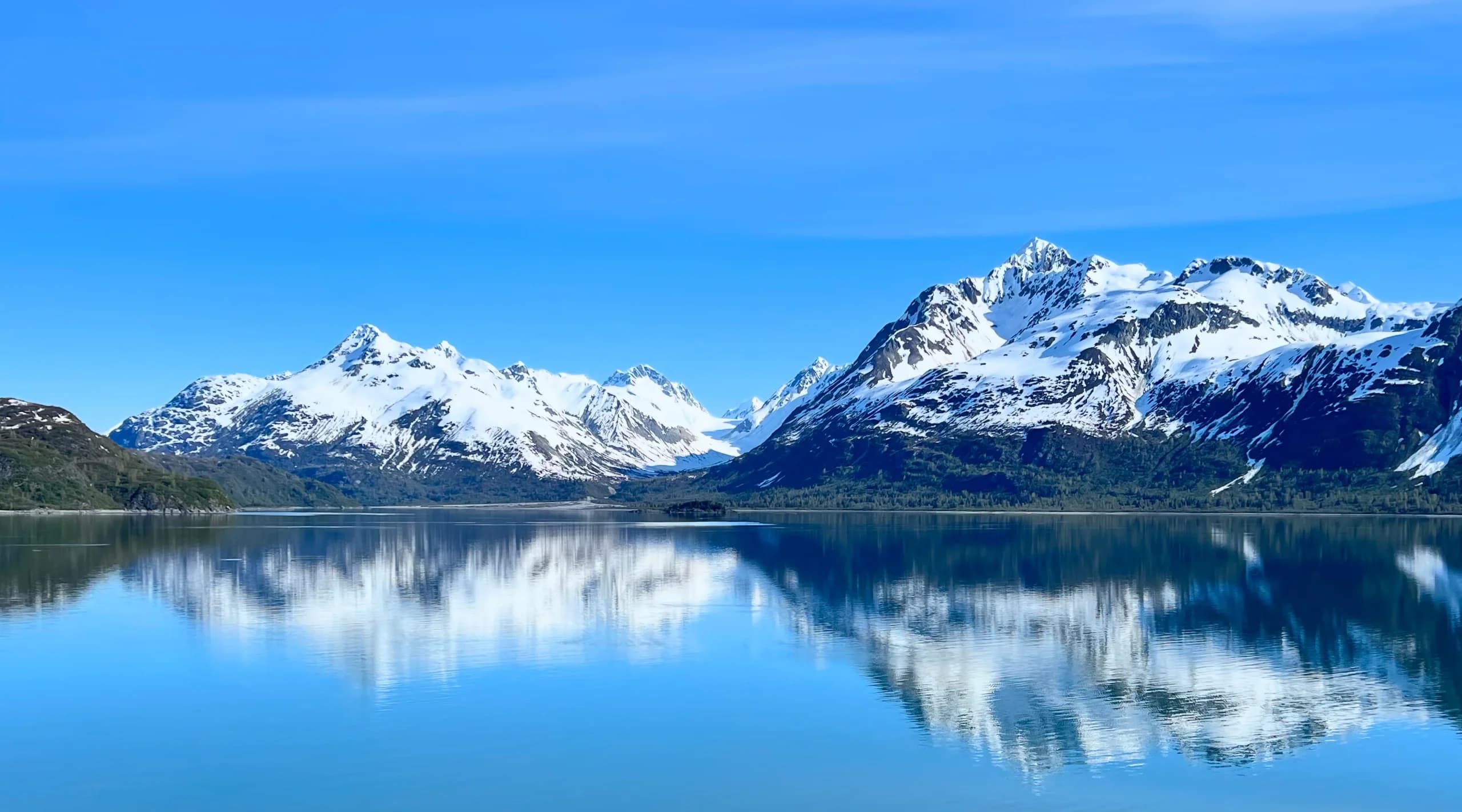
Tribal and IHS payment arrangements show up far more often in Alaska's residential listings than they do nationally — 8 of the 33 centers here report them, roughly twice the rate across the wider directory — and 5 report serving Indigenous and Native American communities specifically, a share many times the national pattern. That reflects how care is actually organized in this state, where tribal health organizations run or partner on a meaningful part of the treatment system.
Accreditation is also unusually well represented: of the Alaska residential centers that report it, 17 of 24 hold CARF accreditation and at least 22 are state licensed. Residential Rehab in Alaska means living at a facility, in a structured daily program with 24-hour staffing, for a period measured in weeks rather than a few appointments.
Thirty of the 33 Alaska centers listing residential care also report dual-diagnosis or co-occurring treatment, and 29 report treating PTSD and trauma. Ask how mental health care is delivered day to day, and by whom.
Nineteen of the 33 report serving adolescents aged 13 to 17, and 6 report supporting children under 13 — a higher share than the directory overall. Twenty-two report serving people 65 and older.
Group and individual therapy are reported by all 33, CBT by 32, and every one describes an evidence-based approach, with 30 reporting trauma-informed care and 21 reporting harm reduction.
Eight centers report services in ASL and 3 in Spanish. At least 23 run co-ed programs and at least 2 are women only, which is worth checking early if it matters to you.
Geography shapes everything about Residential Rehab treatment Alaska residents can reach. Most communities are off the road system, so admission often means a flight, a coordinated arrival date and a plan for getting home again — questions worth asking a facility before you accept a bed. Some people deliberately choose a program farther from home for distance from a difficult environment; others choose the nearest one so family can take part, and 27 of the 33 listed centers report offering family therapy.
Payment is dominated by public sources. Medicaid is accepted by 32 of the 33 centers listed here, 24 report state-funded or free options and 19 report TRICARE, which matters in a state with a large military and veteran population. Alaska applies federal and state parity rules to substance use benefits, but what your particular plan authorizes — including prior approval and length of stay — is something to confirm with your insurer and with the facility itself.
Most residential programs run in phases, and length depends on clinical judgment, progress and what a plan authorizes rather than a fixed calendar. Stays are commonly measured in weeks rather than days, and many Alaska programs re-evaluate at intervals and extend or step down accordingly. Ask each facility directly how it structures length of stay and how often it reviews it.
Coverage varies by plan, so the only reliable answer comes from your own insurer and the facility's admissions staff. In this directory, 32 of the 33 Alaska centers listing residential care report accepting Medicaid, 19 report TRICARE, 14 report Medicare and 28 report private insurance. Confirm network status, prior authorization and any expected share of cost before you travel.
Cost depends on the program, the length of stay and how you are paying. Thirty of the 33 listed centers report accepting self-pay or cash, 24 report state-funded or free options and 8 report IHS or tribal payment arrangements. Ask for a written estimate and what it does and does not include.
Residential care means living at the facility with structured treatment and 24-hour staffing. It suits people whose home situation makes it hard to stay safe or stable, or who have tried outpatient care and need more support. It is not the right starting point for someone in acute medical withdrawal or a psychiatric emergency, who needs medical or hospital care first.
Typically a phone screening, a clinical assessment, insurance or funding verification, and then a bed offer when one is available. Because many Alaska programs draw from across the state, admissions staff often coordinate travel dates and arrival times. Ask what documents, medications and identification to bring.
Compare licensing and accreditation, whether the program treats co-occurring mental health conditions, the age groups it serves, and whether family involvement is possible from where you live. Among the Alaska listings here, 30 of 33 offer dual-diagnosis care, 29 treat PTSD or trauma and 27 offer family therapy. Call two or three and ask the same questions of each.
Waits fluctuate with bed availability and are common statewide, particularly for adolescent and women-only beds. Ask each program where you sit on its list, how often it updates, and what interim support it offers; 28 of the 33 listed centers also report outpatient services and 28 report telehealth, which some people use while waiting.
Yes, and many Alaskans do, since residential capacity is concentrated in a few road-system and hub communities. People from off-road villages usually fly in, and some choose a program farther away specifically because it offers cultural or family connections that matter to them. Of the centers listed here, 8 report IHS or tribal payment options and 5 report serving Indigenous and Native American communities specifically.
Dual-diagnosis care, family therapy and telehealth follow-up are all widely reported among Alaska's residential programs — 33 centers in this state list this level of care, so there is more than one door to knock on. Write down the two or three that fit your age group, language needs and funding, then call each one's admissions line yourself and ask about bed availability, expected length of stay and what your plan covers. If someone is in immediate danger, call or text 988, or call 911 for a medical emergency.
33 of the 33 that report it in Alaska — 100%, against 29% across the directory.
8 of the 33 that report it in Alaska — 24%, against 13% across the directory.
5 of the 33 that report it in Alaska — 15%, against 1.2% across the directory.
17 of the 24 that report it in Alaska — 71%, against 39% across the directory.
6 of the 33 that report it in Alaska — 18%, against 5.1% across the directory.
Ketchikan, Alaska
Sitka, Alaska
Wasilla, Alaska
Fairbanks, Alaska
Wasilla, Alaska
Juneau, Alaska
Juneau, Alaska
Wasilla, Alaska
Anchorage, Alaska
Anchorage, Alaska
Homer, Alaska
Anchorage, Alaska
Anchorage, Alaska
Anchorage, Alaska
Anchorage, Alaska
Anchorage, Alaska
Wasilla, Alaska
Anchorage, Alaska
Anchorage, Alaska
Juneau, Alaska
Wasilla, Alaska
Fairbanks, Alaska
Wasilla, Alaska
Anchorage, Alaska
and 1 more
Reported by 33 of the 33 listed here.
and 1 more
Reported by 33 of the 33 listed here.
and 3 more
Reported by 33 of the 33 listed here.
Reported by 33 of the 33 listed here.
and 4 more
Reported by 32 of the 33 listed here.
and 2 more
Based on the 27 that report it; others have not said.
and 8 more
Reported by 33 of the 33 listed here.