G
Gastineau Human Services
Juneau, Alaska
Dual-Diagnosis / Co-OccurringOutpatient RehabResidential RehabSober Living

6 treatment centers across Alaska offering Sober Living Homes.
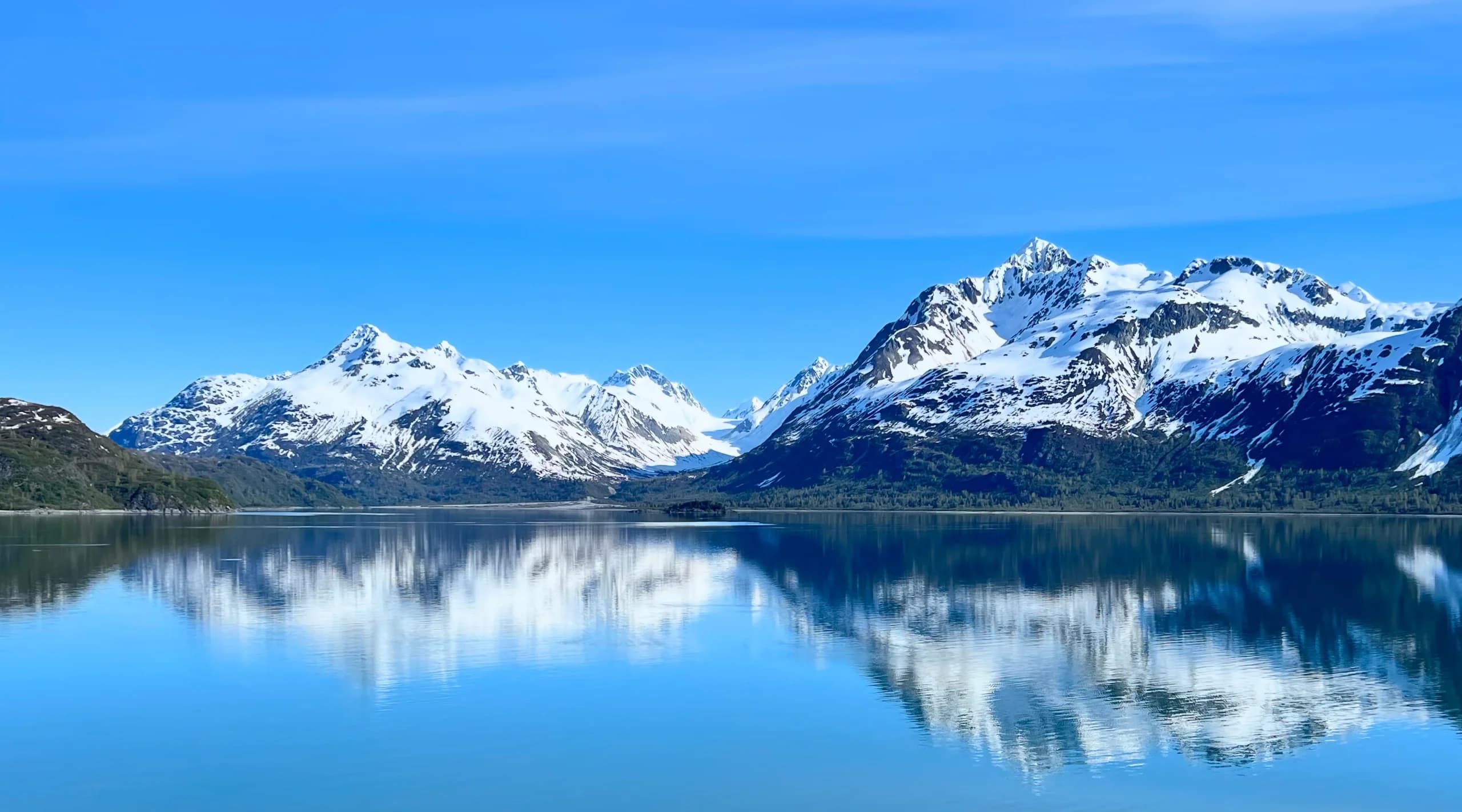
Recovery housing sits at the quiet end of the treatment path, and in Alaska it rarely stands alone. All 6 of the Alaska centers listed here report Sober Living — a level of care reported by only about 11% of centers across the wider directory, so roughly nine times as common among these listings — and all 6 also report residential rehab, against 29% directory-wide. In practice that means the housing is usually attached to a programme rather than run as a standalone rental.
Sober living is a substance-free home with structure: house rules, curfews, testing, chores, and an expectation that residents work, study or attend treatment. It suits someone who has finished detox or residential care and is medically stable, but who is not ready to go straight back to an environment where using was normal. It is not the right setting for someone in active withdrawal, in a mental-health crisis, or needing round-the-clock nursing or supervision — those need a clinical level of care first.
All 6 Alaska listings report residential rehab as well as recovery housing, so the move from a clinical bed into a house with rules and rent can often happen inside the same organisation rather than between strangers.
Recovery residences are not licensed the way clinical facilities are, which makes reported credentials worth checking. At least 3 of the Alaska listings report state licensing, 2 report CARF accreditation, 1 reports Joint Commission and 1 reports being SAMHSA-listed — confirm any of these directly with the facility.
Five of the 6 report accepting Medicaid and 4 report state-funded or free options, but room and board is typically handled differently from clinical billing. Ask the house what your payment covers and ask your plan what it covers.
Beds open and close, and there is no statewide waitlist to check. Calling several houses in the same week, and asking each what it would take to be accepted today, is the fastest way to find out where capacity actually sits.
Alaska's geography shapes this level of care more than regulation does. Many communities are off the road system, so moving into recovery housing often means flying into a hub, and residents weigh being close to a programme against being close to family — a real cost when a return home means a plane ticket rather than a drive. Winter travel, seasonal work and fishing schedules all affect when someone can commit to a months-long stay, and it is worth raising those constraints during the first phone call rather than after a bed is held.
Payment across the Alaska listings is mixed: 5 of the 6 report accepting Medicaid, 5 report private insurance, 5 report self-pay, and 4 report state-funded or free options. Medicaid and commercial plans generally address clinical services rather than rent, so a resident may be paying room and board while their outpatient care is billed to a plan. All 6 report dual-diagnosis and co-occurring care alongside the housing, 6 report group and individual therapy, 5 report CBT and 4 report family therapy. Every one serves adults and young adults, 5 serve people 65 and over, 1 serves adolescents, and 1 reports services in ASL.
Sober living is recovery housing: a substance-free residence with rules, curfews, peer accountability and usually required participation in outside treatment or mutual-aid meetings. It is not a clinical level of care, so the therapy, medication management or counselling a resident receives is generally delivered separately — often by an outpatient programme, which all 6 of the Alaska centers listed here also run.
Rent and room-and-board in recovery housing are usually paid out of pocket, while the clinical services a resident attends alongside it are the part more likely to be billable. Five of the 6 Alaska listings report accepting Medicaid, 5 report private insurance, 3 report TRICARE and 2 report Medicare. Coverage always depends on your specific plan, so ask your insurer what it pays for and ask the facility what it bills for.
No single figure applies statewide, and the directory does not publish prices. Ask each house directly what the weekly or monthly charge covers, whether a deposit is required, and whether any sliding-scale or state-funded help exists — 4 of the 6 Alaska centers listed here report accepting state-funded or free placements.
There is no fixed term. Some people stay a few months while finishing an outpatient programme; others stay closer to a year while rebuilding work, housing and family connections. Ask about minimum stays, maximum stays and what happens if you need longer than planned.
Typically a phone or online enquiry, a short screening conversation about your substance use and mental health history, confirmation that you are past withdrawal and medically stable, and agreement to house rules, testing and any required treatment attendance. Some houses can take someone the same week; others hold a waitlist, so it is worth calling more than one.
Ask who lives there and whether the house is co-ed or single-gender, what clinical support is attached, what happens after a return to use, whether the accreditation or licensing claims are current, and whether family can visit. Of the Alaska listings, at least 3 report being state licensed, 2 report CARF accreditation, 1 reports Joint Commission accreditation and 1 reports being SAMHSA-listed.
Alaska's population is concentrated in a handful of road-system communities, so "near me" often means a flight or a long drive rather than a neighbourhood. Use the city pages beneath this one to see where listings sit, and weigh proximity to family against proximity to the outpatient programme you will be attending.
No. Recovery housing expects residents to be medically stable and past acute withdrawal. If you are drinking or using heavily right now, ask about detox and residential options first — all 6 of the Alaska centers listed here also report residential rehab. If you are in danger or in crisis, call or text 988, or call 911 in an emergency.
Contact the houses directly using each listing's own details, and ask two questions early: what the weekly charge covers, and what clinical programme you are expected to attend alongside it. Then call the member services number on your insurance card and ask what your plan pays toward the treatment side. If you are in crisis while you wait, call or text 988, or call 911 in an emergency.
6 of the 6 that report it in Alaska — 100%, against 11% across the directory.
6 of the 6 that report it in Alaska — 100%, against 29% across the directory.
Juneau, Alaska
Juneau, Alaska
Wasilla, Alaska
Anchorage, Alaska
Seward, Alaska
Wasilla, Alaska
Reported by 6 of the 6 listed here.
Reported by 6 of the 6 listed here.
and 3 more
Reported by 6 of the 6 listed here.
Reported by 6 of the 6 listed here.
Reported by 6 of the 6 listed here.
Based on the 4 that report it; others have not said.
and 6 more
Reported by 6 of the 6 listed here.