E
Eating Disorder Center of Montana
Bozeman, Montana
DetoxIntensive Outpatient (IOP)Outpatient RehabResidential Rehab

Gambling addiction shows up more often in Montana's treatment listings than almost anywhere else in the directory — reported by 42% of facilities here compared with 24% directory-wide, roughly 1.8 times more common. Many of those same facilities also accept IHS or Tribal payment arrangements, reported by about a third of listings in the state.
Bozeman, Montana
Missoula, Montana
Great Falls, Montana
Helena, Montana
Great Falls, Montana
Helena, Montana
Marion, Montana
Stevensville, Montana
Missoula, Montana
Butte, Montana
Belgrade, Montana
Helena, Montana
Kalispell, Montana
Eureka, Montana
Dillon, Montana
Box Elder, Montana
Baker, Montana
Sidney, Montana
Helena, Montana
Great Falls, Montana
Missoula, Montana
Polson, Montana
Helena, Montana
Glendive, Montana
Harlem, Montana
Poplar, Montana
Havre, Montana
Conrad, Montana
Butte, Montana
Great Falls, Montana
Great Falls, Montana
Big Timber, Montana
Broadus, Montana
Helena, Montana
Livingston, Montana
Malta, Montana
Treatment in Montana tends to cluster around the larger towns and cities, leaving wide stretches of rural land with fewer nearby options. Tribal communities are part of this picture too — IHS/Tribal payment arrangements show up far more often here than in most states, reflecting the state's significant Native population and its network of reservation-adjacent care.
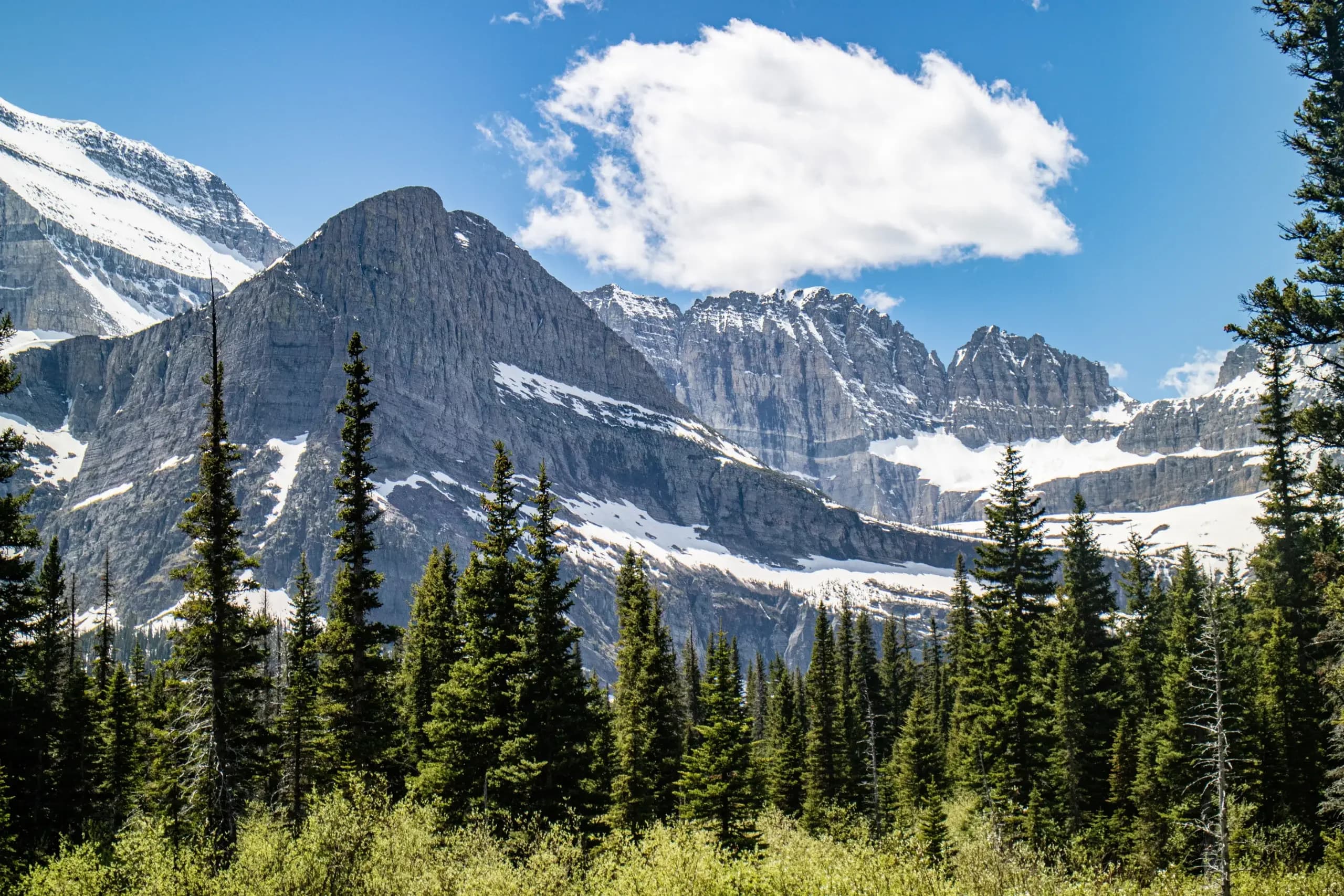
Montana's programs also lean into what the landscape offers: outdoor recreation-based amenities appear dramatically more often here than in the broader directory, and sliding-scale payment options are common, easing access where a facility may sit hours from the next one. Gambling addiction treatment also comes up more frequently than the directory average, worth noting given how spread out specialized care can be across the state.
A person's needs shift with the substance involved, how long they've used, and whether a co-occurring mental-health condition is present, so a level of care that fits one situation may not fit another.
Before committing, ask a Montana programme what its medical detox protocol involves, who provides clinical supervision, and what happens after discharge.
Do not assume a listed insurance carrier means a specific plan is in-network; verify current benefits and any Montana parity protections directly with the insurer and the facility.
People often skip confirming whether a facility treats their specific diagnosis or accepts their exact plan, then discover the mismatch after intake has already started.
and 1 more
Reported by 107 of the 107 listed here.
and 6 more
Reported by 104 of the 107 listed here.
and 4 more
Based on the 93 that report it; others have not said.
and 9 more
Reported by 107 of the 107 listed here.
44 of the 104 that report it in Montana — 42%, against 24% across the directory.
27 of the 105 that report it in Montana — 26%, against 12% across the directory.
35 of the 107 that report it in Montana — 33%, against 13% across the directory.
20 of the 55 that report it in Montana — 36%, against 1.6% across the directory.
71 of the 107 that report it in Montana — 66%, against 41% across the directory.
Montana requires state-regulated health plans to cover substance use disorder treatment on par with medical and surgical care, meaning copays, visit limits and prior authorization rules generally cannot be stricter for addiction treatment than for other conditions. Coverage details still vary by plan, so confirm specifics with the insurer and the facility being considered.
Montana Medicaid, expanded under the state's Medicaid program, covers a range of substance use disorder services for people who qualify, though the exact scope of care and which facilities accept it depends on the individual plan and provider. Anyone relying on Medicaid should confirm current benefits directly with the state program and the facility.
Addiction treatment facilities in Montana are licensed through the state's health department, which sets standards for staffing, safety and the types of services a program can offer. A facility's licensing status can be confirmed by asking the program directly or checking state licensing records.
Montana's population is spread across a large, largely rural landscape, so treatment options are concentrated in and around larger cities like Billings, Missoula, Bozeman and Great Falls, with fewer choices in smaller towns. Someone weighing rural versus urban Montana may need to consider travel distance alongside the level of care a program offers.
The cost of drug rehab in Montana depends on the level of care, the length of stay and whether a facility accepts a person's specific insurance plan, so no single figure applies statewide. Checking directly with a facility and with an insurer about in-network status and expected out-of-pocket costs is the most reliable way to get an accurate picture.
Malibu, California
Madeira Beach, Florida
Monument, Colorado