C
Charlie Health
Charleston, South Carolina
Dual-Diagnosis / Co-OccurringInpatientIntensive Outpatient (IOP)Outpatient Rehab

Recovery Dawn lists four inpatient facilities near Charleston where you can compare programs, filter by your insurance carrier, and see which ones accept your plan.
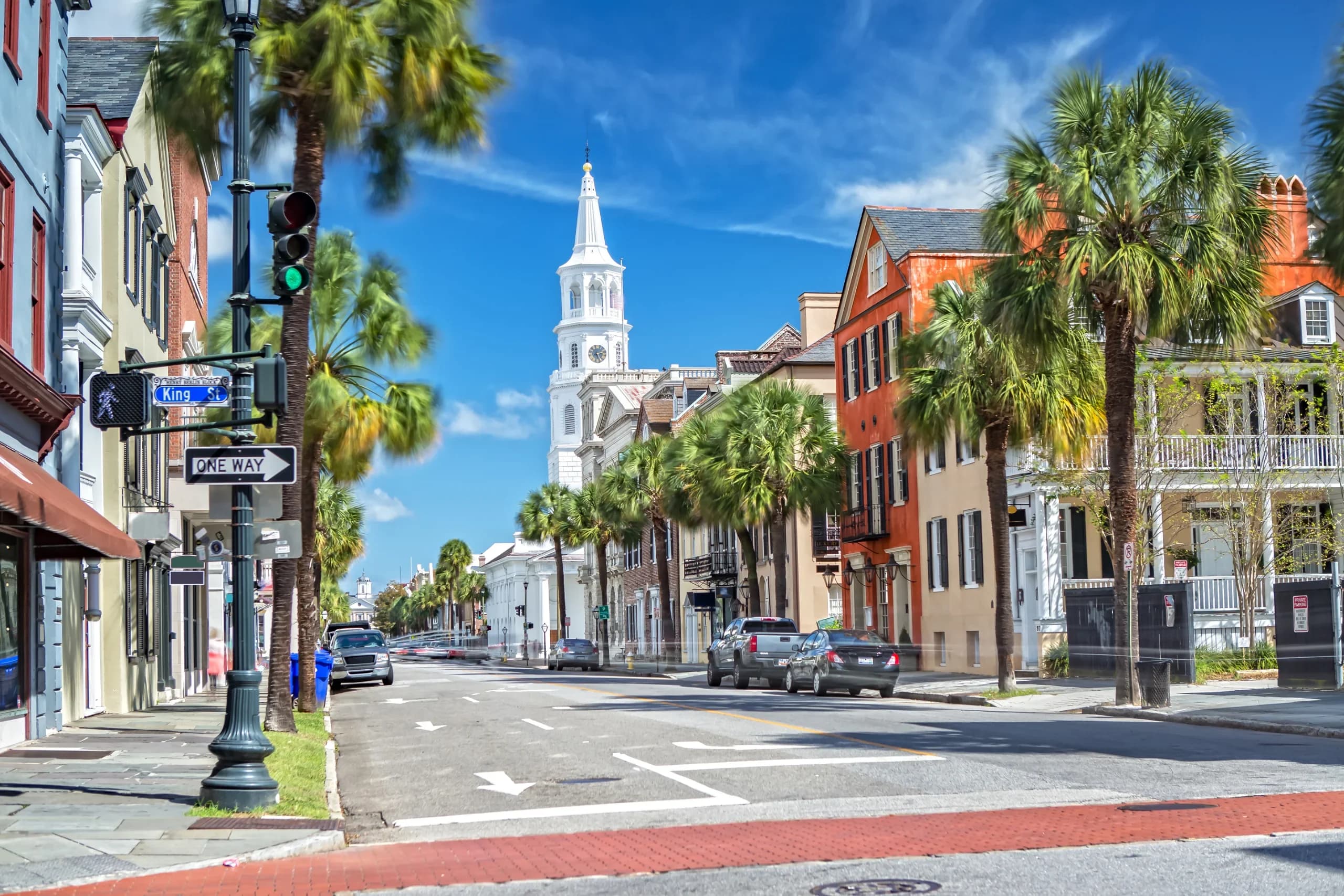
Four inpatient centers operate in and around Charleston. Most accept Medicaid, private insurance, and self-pay arrangements. All four provide dual-diagnosis care alongside evidence-based and trauma-informed treatment approaches, addressing both addiction and co-occurring mental health conditions.
3 within 10 miles · 4 within 25 miles · 6 within 50 miles
Inpatient residential treatment means staying at a facility full-time while receiving structured care for alcohol or drug addiction. A typical week includes individual and group therapy, medical monitoring, educational sessions about recovery, and meals and lodging—all on-site. Most stays run between 28 and 90 days, depending on the severity of addiction, any co-occurring mental health conditions, and how quickly someone responds to treatment. Inpatient care suits people who need to step away from their daily environment, have tried outpatient treatment without success, are managing withdrawal, or face significant medical or psychiatric complications alongside addiction.
In Charleston, deciding whether inpatient fits your situation means weighing the time commitment against your job, family responsibilities, and local support network. The region's strong military and veteran presence, coupled with growth in healthcare, aerospace, and port industries, means many people weigh the cost of treatment against time away from work—and whether insurance will help cover it. Your health plan determines what you'll pay out of pocket and which facilities are in-network near you. Recovery Dawn can help you understand what your coverage includes and connect you with local options that accept your insurance, so you can move forward without guessing what inpatient treatment will actually cost or how the admissions process works.
Four treatment centers offer inpatient care in the Charleston area, and most provide dual-diagnosis treatment if you're managing both addiction and a mental health condition. Before calling, have your insurance card ready so you can ask whether each program is in-network under your plan and what your out-of-pocket costs might be.
Inpatient programs in Charleston typically handle the medical side of early recovery—stabilization, withdrawal management, and psychiatric care—but the quality of that medical oversight varies. Ask about the credentials of the medical director, whether a doctor is on-site daily, and how the program handles any medications you're already taking.
Most Charleston inpatient programs can tell you their current wait time when you call; some may have beds available within days, while others book further out. If you need to start soon, ask whether any programs have openings and whether your insurance requires pre-authorization before admission.
Aftercare planning matters as much as the inpatient stay itself—ask what happens on your last day and whether the program connects you with outpatient treatment, support groups, or ongoing care in Charleston. Some programs offer their own outpatient services or have established referral networks; others leave that to you.
Trauma-informed care sits alongside evidence-based treatment at every inpatient program identified near Charleston, and that pairing shows up in how care is structured day to day. All four programs report treating co-occurring disorders and PTSD or trauma, and most also address self-harm and anxiety, meaning inpatient care here is generally built around mental health conditions that often travel alongside addiction rather than being treated separately.
Therapy formats are consistent across the programs, with cognitive behavioral therapy, group therapy, individual therapy, and family therapy all reported at every site, though how they're combined and how much family involvement is expected can differ by program. Age groups served vary more — adults between 26 and 64 are covered most widely, while adolescent, young adult, and senior tracks appear at only some programs, and at least two centers report offering services in Spanish as well as English, which is worth checking upfront if language access matters for the person entering care.
Most inpatient programs in Charleston accept Medicaid, private insurance like Aetna and BCBS, and self-pay options; many also offer financing or payment plans. Your actual coverage depends on your specific plan, so it's important to verify your benefits directly with your insurer before admission.
Wait times vary, but having your insurance information and medical records ready before you call can speed up the process. If you're in crisis, call or text 988 for immediate support, or go to the nearest emergency room.
Most inpatient facilities in the area operate on a 24/7 basis, and the length of stay depends on your clinical needs and insurance approval—typically ranging from several days to a few weeks. Your treatment team will work with your insurance to determine what's medically necessary.
Bring a photo ID, insurance card, and any medications or medical records you have. Many programs provide details about what else to arrange (like time off work or childcare) during the intake call, so ask when you apply.
You don't have to travel far—Charleston has inpatient options available locally, which can make it easier to maintain family connections and continue care with providers who know your history. Some people also choose programs outside the city if a specific approach or specialty matters to them.
Your insurance benefits cover a portion based on your plan; most programs in Charleston accept multiple payment types including Medicaid and private insurance. To avoid surprises, contact your insurer and the program's admissions team to clarify your out-of-pocket costs before admission.
Inpatient care is residential treatment where you stay on-site 24/7 with medical supervision, typically for medical detox or acute psychiatric care; after completing that phase, most people transition to a lower level of care like a partial hospitalization program or outpatient treatment to continue recovery. Your discharge plan is part of your treatment from day one.
Look for programs accredited by recognized bodies, check which insurances and payment options they accept, and ask about their approach to your specific needs (like dual-diagnosis care or medication-assisted treatment). During the intake call, staff can help you understand whether the program is a good fit and what insurance will cover.
Charleston, South Carolina
North Charleston, South Carolina · 3.8 mi from Charleston
Charleston, South Carolina · 5.1 mi from Charleston
Awendaw, South Carolina · 19.7 mi from Charleston
Walterboro, South Carolina · 38.2 mi from Charleston
Beaufort, South Carolina · 47.1 mi from Charleston
Bluffton, South Carolina · 61.5 mi from Charleston
Bamberg, South Carolina
Orangeburg, South Carolina
Sumter, South Carolina · 82.6 mi from Charleston
Bishopville, South Carolina · 95 mi from Charleston
Columbia, South Carolina · 101.7 mi from Charleston
Columbia, South Carolina · 103.2 mi from Charleston
Columbia, South Carolina · 103.4 mi from Charleston
Columbia, South Carolina · 103.9 mi from Charleston
Lexington, South Carolina · 105.2 mi from Charleston
Aiken, South Carolina · 113.4 mi from Charleston
Aiken, South Carolina · 113.7 mi from Charleston
and 15 more
Reported by 4 of the 4 listed here.
Reported by 4 of the 4 listed here.
and 2 more
Reported by 4 of the 4 listed here.
and 2 more
Reported by 4 of the 4 listed here.
and 8 more
Reported by 4 of the 4 listed here.
and 5 more
Based on the 3 that report it; others have not said.
and 6 more
Reported by 4 of the 4 listed here.
Charleston, South Carolina · 1.1 mi
Charleston, South Carolina
North Charleston, South Carolina · 2.4 mi