C
Charleston Center of Charleston County
North Charleston, South Carolina · 4.2 mi from Charleston
Aftercare / Continuing CareDetoxInterventionsIntensive Outpatient (IOP)

Three treatment centers provide residential rehab programs in the Charleston area; you can compare them, filter by your insurance carrier, and see which accept your plan.
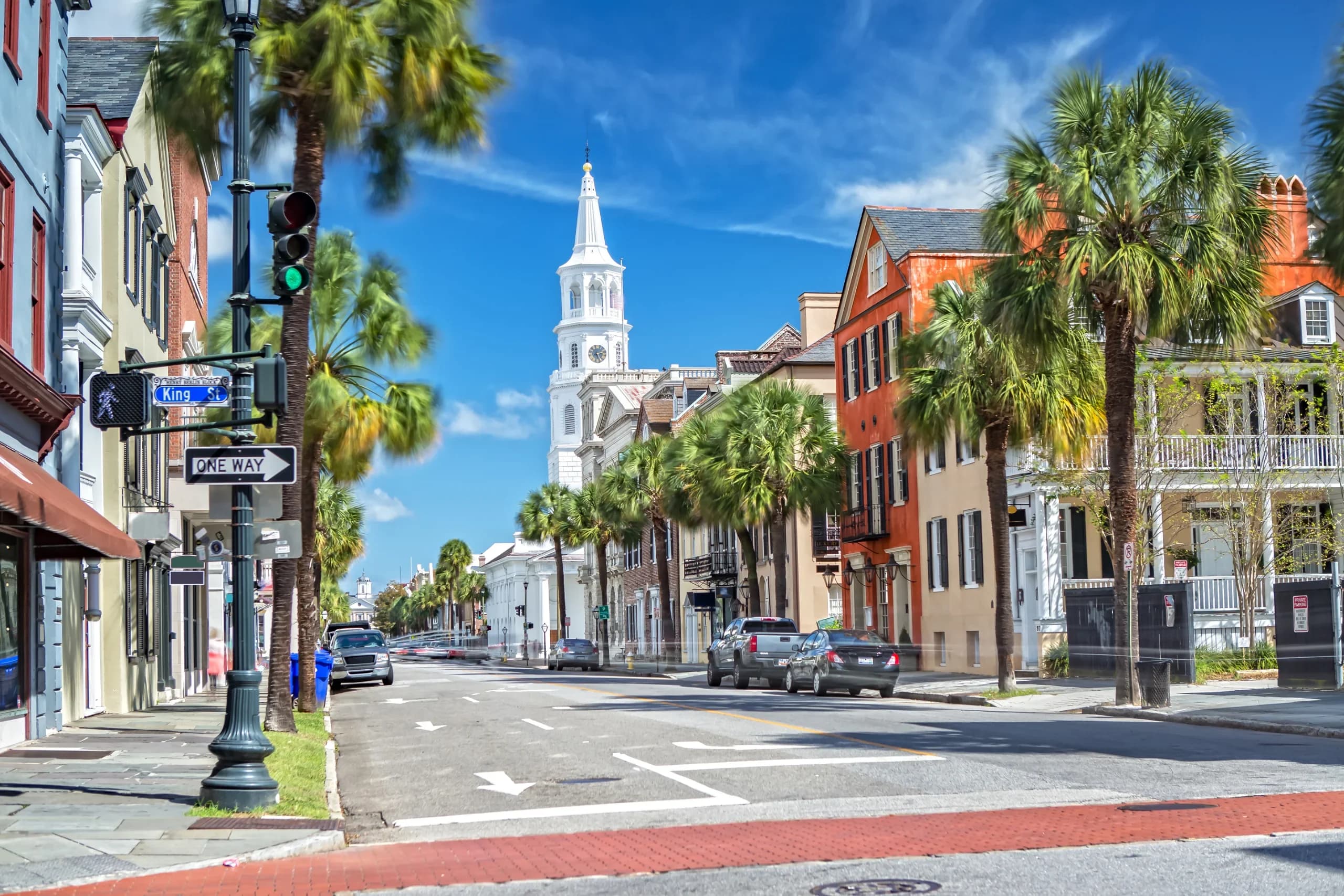
All three residential rehab centers near Charleston treat PTSD and trauma, and each uses evidence-based, trauma-informed approaches. Every facility accepts Medicaid and state-funded coverage, making treatment accessible regardless of your insurance status.
2 within 10 miles · 3 within 25 miles · 3 within 50 miles
Residential rehab means living on-site at a treatment facility for weeks or months while you receive structured care for addiction. Your day typically includes individual and group therapy, medical monitoring, educational sessions about recovery, and time for meals and rest. People choose this level when outpatient visits alone haven't worked, when they need medical support through withdrawal, or when their home environment makes staying sober harder. Most stays last 28 to 90 days, though some people benefit from longer programs; your treatment team helps you decide when you're ready to step down to outpatient care or aftercare.
In Charleston, residential programs serve people across the region's major employers and communities—from healthcare workers and port staff to military-connected families and service-industry workers who may need flexibility around their return to work. Because you're living at the facility, you don't commute daily, which removes a barrier for people traveling from nearby areas or those whose jobs make regular outpatient appointments difficult. Insurance coverage for residential treatment varies by plan and employer; Recovery Dawn can help you understand what your policy includes and connect you with programs in the Charleston area, so you can verify costs and admission timelines before you call.
Residential Rehab in Charleston typically lasts 28 to 90 days, though programs vary. Ask whether your insurer covers the full length of stay or requires medical justification to extend, since some plans approve shorter stays initially and others reimburse differently for longer programs.
Many residential programs in the area offer both medical detox and dual-diagnosis care if you're also managing depression, anxiety, or other mental-health conditions. Confirm upfront whether the program addresses co-occurring disorders, since that affects whether your plan covers simultaneous treatment.
Some facilities in Charleston maintain in-network agreements with major carriers, while others are out-of-network; your cost and coverage depend entirely on your specific plan. Call your insurer before you call a program, or ask the program to verify benefits on your behalf.
Residential Rehab programs report varying wait times depending on census and your medical needs. If you need immediate placement, ask each facility for current availability and whether they offer medical detox or stepped intake while you wait.
Trauma-informed care shows up consistently among Charleston-area residential programs, with all three centers reporting this approach alongside evidence-based treatment methods. This pairing matters for anyone whose substance use is tangled up with past trauma or difficult experiences — it signals that clinical teams are trained to address the underlying pain, not just the addictive behavior itself. Fewer programs report 12-Step or harm reduction frameworks specifically, so if either philosophy matters to your recovery, it's worth asking directly during intake calls.
Individual therapy, family therapy, and CBT appear across every reporting program, while group therapy is slightly less universal. Adolescents are served by all three centers, though adults, young adults, and seniors are covered less consistently — a detail worth checking early if you're seeking care for a specific age group. PTSD and trauma treatment is reported by every center as well, suggesting that co-occurring emotional struggles are generally treated alongside the addiction itself rather than left aside.
Most residential rehab facilities in Charleston accept Medicaid and state-funded or free programs; some also work with private insurance and Medicare. You'll want to verify your specific plan's coverage before contacting a program, since benefits vary widely depending on your policy and state rules.
Many people stay local if they have family support and work obligations, while others find that coming to Charleston from out of state or traveling locally removes them from their current environment, which some find helpful early in treatment. Talk to your family about what makes sense for your situation—either way, the treatment itself is what matters most.
Call the program and ask about their admissions timeline; some facilities have openings within days, while others may have a wait list. Have your insurance information ready when you call so they can check coverage and help you understand next steps quickly.
Residential programs typically last 28 to 90 days depending on your needs and your insurance benefits; your treatment team will recommend a length of stay based on your assessment. Ask about this during the admissions process so you know what to expect before you arrive.
Most facilities ask you to bring personal items like toiletries, comfortable clothes, and any medications you take (though they'll manage them during treatment), and you may need to arrange time off work or childcare beforehand. Call the program early to ask for a packing list and find out what's not allowed, so you're fully ready when you arrive.
Treatment doesn't end when you leave the program—your care team will help you plan next steps, which might include outpatient therapy, support groups, medication-assisted treatment, or other ongoing recovery support based on what you need. Ask during admissions what aftercare options the program connects you with in Charleston so you have a plan before you leave.
Your treatment team will work with you and your insurance to determine the right level, but generally residential rehab is recommended if you're struggling to stop on your own, have a co-occurring mental health condition, or need a structured environment away from triggers. A program's admissions staff can talk through whether it's the right fit for you during your initial call.
Call the program directly with your insurance card, or contact a free referral service like Recovery Dawn that can help you understand your benefits and what's available locally before you apply. Most facilities will check coverage for you at no cost, so you'll know what to expect before making a commitment.
North Charleston, South Carolina · 4.2 mi from Charleston
Mount Pleasant, South Carolina · 9.2 mi from Charleston
Awendaw, South Carolina · 19.7 mi from Charleston
Florence, South Carolina · 94.3 mi from Charleston
Bishopville, South Carolina · 95 mi from Charleston
Florence, South Carolina · 98.7 mi from Charleston
Columbia, South Carolina · 100.4 mi from Charleston
Columbia, South Carolina · 101.7 mi from Charleston
West Columbia, South Carolina · 102.5 mi from Charleston
Columbia, South Carolina · 103.9 mi from Charleston
Aiken, South Carolina · 113.7 mi from Charleston
Winnsboro, South Carolina · 119.5 mi from Charleston
Reported by 3 of the 3 listed here.
Reported by 3 of the 3 listed here.
and 1 more
Reported by 3 of the 3 listed here.
Reported by 3 of the 3 listed here.
Reported by 3 of the 3 listed here.
and 3 more
Reported by 3 of the 3 listed here.
Charleston, South Carolina · 1.1 mi
Charleston, South Carolina
North Charleston, South Carolina · 2.4 mi