N
Newport Academy Utah
Oakley, Utah
Aftercare / Continuing CareDual-Diagnosis / Co-OccurringIn-Home CareInpatient

82 treatment centers across Utah offering Inpatient Rehabs.
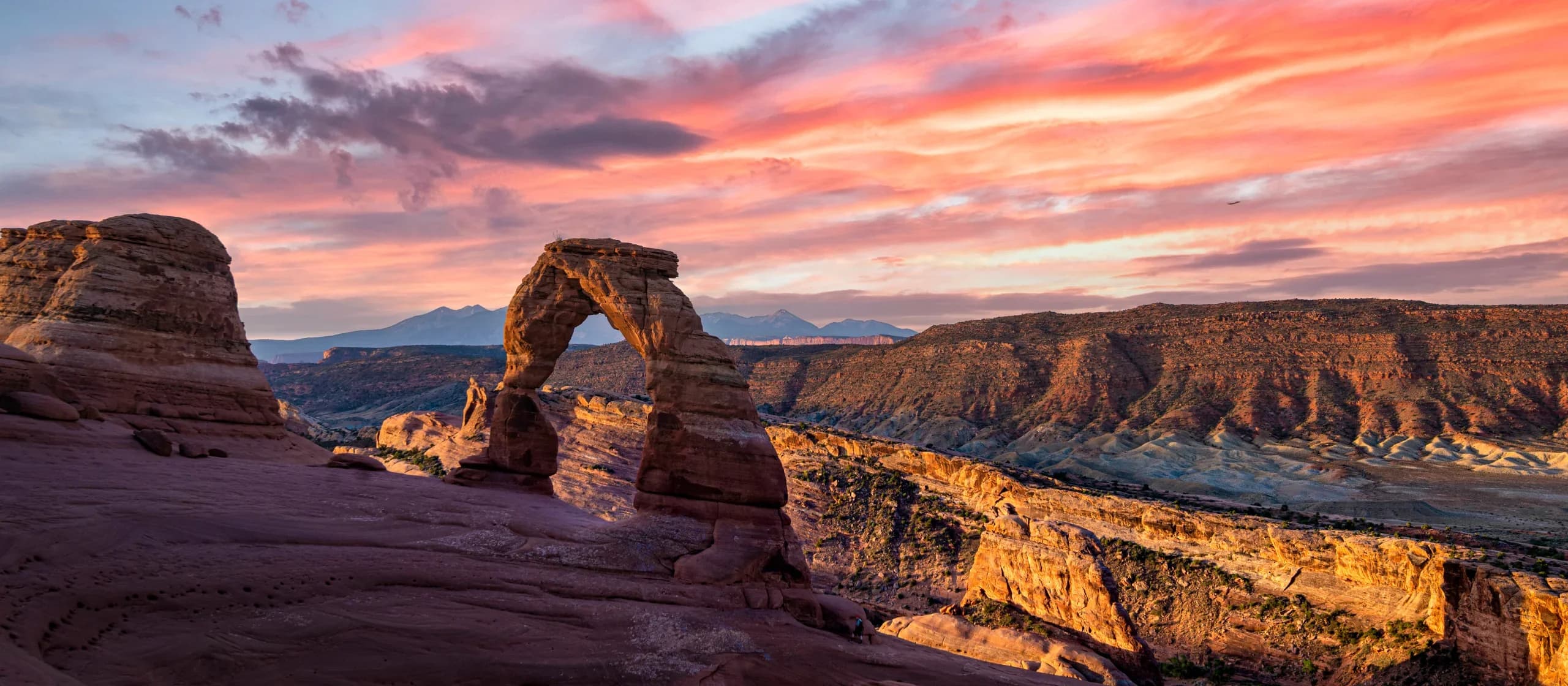
Residential addiction treatment in Utah has a couple of local signatures worth knowing before you start comparing. Intermountain Health turns up as an accepted payer at 22% of the Utah programs listed here — roughly sixteen times as common as across the directory as a whole — and IHS or tribal funding is recorded as a payment route at 26% of them, about twice as common here as nationally. In total, 82 treatment centers across Utah report offering this level of care.
Inpatient treatment in Utah means living at the facility around the clock while clinical staff manage withdrawal risk, medication and therapy in one place. It suits someone whose use has not held steady in outpatient care, who has no safe or sober housing, or who has significant co-occurring symptoms — 81 of the 82 listings report dual-diagnosis capability and 73 report treating self-harm. It is generally not the right fit for someone who is stable, working and supported at home; that person is usually pointed toward a step-down level instead.
Medicaid is accepted at 70 of the 82 Utah programs listed, TRICARE at 54 and Medicare at 40, with Blue Cross Blue Shield at 21 and a further 24 payers recorded. Acceptance is what the facility reports, not a guarantee your plan will pay.
Self-pay is reported by 81 of the 82, and 62 report state-funded or free care — a meaningful option in counties where private capacity is thin. Ask each program how its funding works before assuming a stay is out of reach.
Evidence-based approaches are reported by 81 of the 82 and trauma-informed care by 70, with CBT, group and individual therapy near-universal. Equine therapy appears at 7% of these Utah listings, notably more often than across the directory generally.
Services are offered in English at 76 of the 82, Spanish at 26 and ASL at 20, with Farsi listed at 5 and eight more languages recorded. Adults, young adults and seniors are served by most programs; fewer than half accept adolescents.
Licensing sits with the state: residential substance use disorder programs in Utah are licensed by the Office of Licensing under the Department of Health and Human Services, and behavioral health services are overseen at county level through local authorities, which is why what is contracted and available differs between the Wasatch Front, the Uintah Basin and the southwest corner of the state. At least 50 of the Utah listings here report state licensure and at least 14 appear on SAMHSA's list.
Geography shapes access more than almost anything else. Beds concentrate in the populated corridor, so a family in a rural county may drive several hours for admission, and waiting times depend less on the state as a whole than on the specific program, the funding source and whether a detox bed is needed first. Programs that serve adolescents are fewer — 47 of the 82 — so families of teenagers often travel further still.
Most private plans sold in Utah include substance use and mental health benefits, and federal and state parity rules generally require those benefits to be handled comparably to medical and surgical ones. Whether a specific residential stay is covered still depends on your plan, the facility's network status and medical necessity review, so confirm with your insurer and with the admissions staff before you arrive.
Length varies with the person, the substances involved and what the plan authorises. Many residential stays run somewhere between a couple of weeks and a month or more, and plans commonly reauthorise in short increments rather than approving a full stay up front — ask the program how it handles continued-stay reviews.
Utah Medicaid covers residential substance use disorder treatment through its behavioral health arrangements, and 70 of the 82 Utah centers listed here report accepting Medicaid. Coverage, prior authorisation and which programs are contracted in your county all vary, so verify with Medicaid and the facility directly.
Programs differ in the care levels they can step you down into, the conditions they treat, the ages they serve and their accreditation. Among the Utah listings here, at least 50 report state licensure, at least 31 hold Joint Commission accreditation and at least 10 hold CARF — asking about licensure and about aftercare planning is a reasonable place to start.
It varies widely by program, length of stay, insurance status and whether the facility receives public funding. Of the Utah centers listed, 81 report a self-pay option and 62 report state-funded or free care, so ask each program for its own fee schedule and any sliding-scale or funding options.
Typically an intake call and a screening, then a clinical assessment, insurance or funding verification, and a bed offer if one is open. Ask what to bring, whether medical detox is provided on site or arranged elsewhere, and what happens if you need to wait for an opening.
Utah's residential capacity clusters along the Wasatch Front, so people from rural counties and from southern and eastern Utah often travel for a bed. Some choose the nearest available opening; others pick a program further away to be near family for visiting and family therapy, which 74 of the 82 listings here report offering.
Call or text 988 for the Suicide and Crisis Lifeline, or 911 in a medical emergency. Utah also operates mobile crisis and receiving centre services that can assess someone quickly and help arrange a next step.
Start by writing down your insurer, your plan ID and the county you live in, then call two or three Utah programs directly using their own contact details and ask about openings, licensure and what they need to verify your benefits. Listings here show what each facility reports; only your insurer and that facility can confirm coverage and a bed. If you or someone you love is in immediate danger, call or text 988, or 911 for an emergency.
82 of the 82 that report it in Utah — 100%, against 23% across the directory.
8 of the 73 that report it in Utah — 11%, against 2.8% across the directory.
7 of the 82 that report it in Utah — 8.5%, against 1.1% across the directory.
17 of the 77 that report it in Utah — 22%, against 1.4% across the directory.
21 of the 82 that report it in Utah — 26%, against 13% across the directory.
Oakley, Utah
Salt Lake City, Utah
Sandy, Utah
West Valley City, Utah
Salt Lake City, Utah
Fillmore, Utah
Provo, Utah
Nephi, Utah
Sandy, Utah
Cedar City, Utah
Kaysville, Utah
Midway, Utah
Salt Lake City, Utah
Salt Lake City, Utah
Salt Lake City, Utah
Bountiful, Utah
Draper, Utah
Holden, Utah
West Jordan, Utah
Provo, Utah
West Jordan, Utah
Brigham City, Utah
Salt Lake City, Utah
Salt Lake City, Utah
and 22 more
Reported by 77 of the 82 listed here.
and 1 more
Reported by 82 of the 82 listed here.
and 11 more
Reported by 82 of the 82 listed here.
and 3 more
Reported by 82 of the 82 listed here.
and 13 more
Reported by 82 of the 82 listed here.
and 6 more
Based on the 73 that report it; others have not said.
and 10 more
Reported by 82 of the 82 listed here.