N
Newport Academy Utah
Oakley, Utah
Aftercare / Continuing CareDual-Diagnosis / Co-OccurringIn-Home CareInpatient

159 treatment centers across Utah offering Residential Programs.
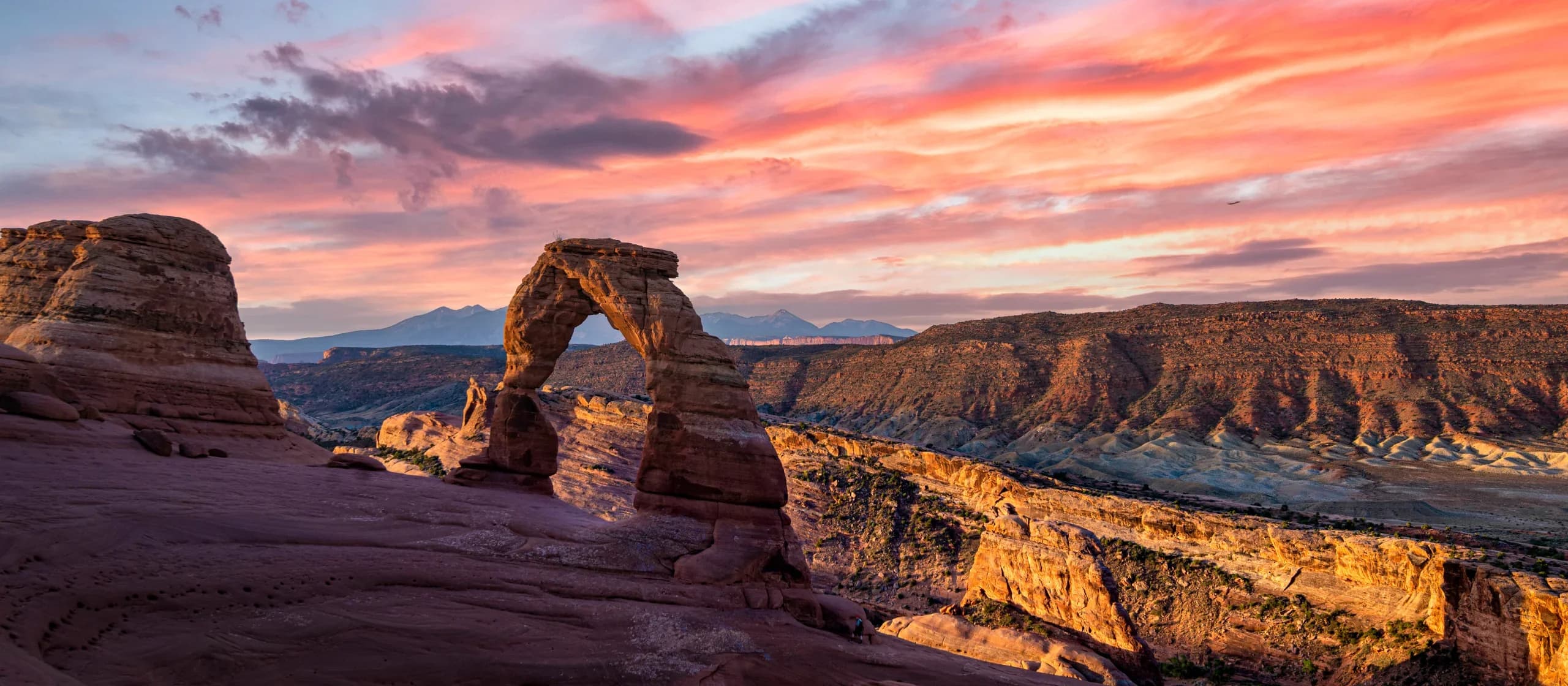
Something distinctive shows up in Utah's residential listings: Intermountain Health appears as an accepted insurer at 28 of the 142 centers reporting carriers here — roughly 20%, against about 1% across the directory nationally, some fourteen times more common. IHS and tribal payment arrangements are also recorded at 46 of the 159 Utah centers, more than twice as common here as across the directory as a whole, which reflects the state's tribal communities and the distances people travel from them.
Residential Rehab in Utah means living on site while treatment is the structure of the day — assessment, individual and group therapy, medical oversight, and a setting that removes the daily triggers of home. It suits people whose living situation works against them, or whose substance use and mental health are tangled together. It is not the right starting point for someone in acute withdrawal, who may need medical detox first, nor for someone whose life is stable enough to hold while attending outpatient sessions.
Co-occurring or dual-diagnosis treatment is reported by 151 of the 159 Utah centers, and 147 treat PTSD and trauma. Suicidal ideation appears as a treated condition at 16 centers here — around 10% of those reporting, against roughly 1% directory-wide.
Methamphetamine is treated at 42 of the 132 Utah centers reporting substances, about 32% against 13% across the directory — around two and a half times more common. Opioids are addressed at 98 centers and alcohol at 97.
At least 101 Utah centers report state licensing, 64 hold Joint Commission accreditation, 21 are CARF accredited and 19 are SAMHSA-listed. Utah licenses residential substance use programmes through its state licensing authority, and current status can be checked independently.
Adults aged 26 to 64 are served by 156 centers, young adults by 132, and adolescents aged 13 to 17 by 80. Equine therapy is offered at 13 Utah centers — around 8%, against roughly 1% across the directory.
Utah's geography shapes how this level of care gets used. Residents of rural counties in the south and east often drive several hours to a metro area for a residential bed, while someone in the Wasatch Front corridor may have a choice between programmes within a short radius. That trade-off — a bed available sooner further away, or a wait for one closer to family visits — comes up constantly, and it is worth asking each facility about both timelines rather than assuming the nearest option is the fastest.
Payment routes across the state are broader than many people expect. Medicaid is accepted at 121 of the 159 listed centers and state-funded or free options are recorded at 115, alongside 154 accepting private insurance. Utah operates its Medicaid substance use benefit through county-level behavioral health authorities, so which programmes are available to you can depend on the county you live in — a question worth putting to the facility on your first call.
Residential Rehab in Utah means living at a licensed facility around the clock while receiving structured treatment — daily therapy, medical and clinical oversight, and a routine built into the setting. It suits someone whose home situation makes staying substance-free unmanageable, someone with a serious co-occurring condition, or someone who has tried outpatient care and needs more support than a few appointments a week can give.
Length varies by facility and by what a clinical team assesses on admission. Some Utah programmes run 30 days, others structure longer stays, and some adjust as a person progresses. Ask the facility directly what stay lengths they typically plan for and how they decide when someone steps down to a lower level of care.
Often, in part — but no page can promise it. Of the 159 Utah centers listed here, 154 report accepting private insurance and at least 122 report accepting Medicaid. Confirm your specific benefits with your insurer using the member number on your card, then confirm with the facility that they bill your plan.
Cost depends on the plan, the facility, the length of stay and whether the programme is in-network. Utah listings show 153 of 159 centers accepting self-pay and 115 reporting state-funded or free options, so the range across the state is wide. Ask each facility for a written estimate of your expected out-of-pocket amount before admission.
Most programmes start with a phone or in-person assessment covering substance use, medical history, mental health and insurance. From there the facility confirms benefits, discusses bed availability and sets an admission date. Asking about waitlists on that first call saves time — availability moves quickly.
Compare licensing and accreditation, whether the programme treats your specific substance and any co-occurring condition, the age group it serves, and whether it is in-network with your plan. In Utah, at least 101 centers report state licensing and at least 64 hold Joint Commission accreditation — worth verifying against the state's own licensing records.
Not everyone. Someone in active withdrawal from alcohol or benzodiazepines may need medical detox first. Someone with stable housing, a supportive household and mild symptoms may do well in outpatient or intensive outpatient care instead. A clinical assessment, not a directory, decides this.
Filter the Utah listings by city, then by insurance and by the substances or conditions treated. Because 113 of the 159 also report telehealth options, some follow-up care after a residential stay can happen from home — useful if you have travelled across the state for a bed.
If you are comparing Utah programmes, note the facility's city and phone number from its listing and call directly — bed availability, waitlists and insurance participation all change faster than any directory can track. Ask what the admission assessment involves and how far in advance beds are typically booked. If you or someone you love is in immediate danger, call or text 988, or dial 911 for an emergency.
159 of the 159 that report it in Utah — 100%, against 29% across the directory.
42 of the 132 that report it in Utah — 32%, against 13% across the directory.
16 of the 158 that report it in Utah — 10%, against 1.1% across the directory.
28 of the 142 that report it in Utah — 20%, against 1.4% across the directory.
46 of the 159 that report it in Utah — 29%, against 13% across the directory.
Oakley, Utah
Escalante, Utah
Salt Lake City, Utah
Paradise, Utah
Salt Lake City, Utah
Sandy, Utah
Sandy, Utah
Sandy, Utah
Salt Lake City, Utah
Huntsville, Utah
Fairview, Utah
Cedar City, Utah
Paradise, Utah
Brigham City, Utah
West Jordan, Utah
Midvale, Utah
Payson, Utah
Salt Lake City, Utah
Draper, Utah
Kaysville, Utah
Salt Lake City, Utah
Sandy, Utah
Midway, Utah
Salt Lake City, Utah
and 16 more
Based on the 142 that report it; others have not said.
and 1 more
Reported by 159 of the 159 listed here.
and 12 more
Reported by 159 of the 159 listed here.
and 3 more
Reported by 159 of the 159 listed here.
and 14 more
Reported by 158 of the 159 listed here.
and 6 more
Based on the 132 that report it; others have not said.
and 10 more
Reported by 159 of the 159 listed here.